This post was updated Sept. 30 at 12:00 a.m.
A judge extended a block on the release of an investigative report detailing the workplace conduct of UCLA’s vice chancellor for strategic communications Tuesday.
Mary Osako, who has served in the role since 2019, filed a lawsuit Aug. 26 against the UC Board of Regents and requested a preliminary injunction to block the report’s release, arguing that its publication would degrade her reputation and violate her privacy. The judge’s decision prolongs the block until Dec. 8, after the Los Angeles Superior Court granted Osako a temporary restraining order Aug. 26.
Seven current and former UCLA employees requested access to the investigative report under the California Public Records Act, which allows the public to request records held by state and local government agencies, including the UC, prompting Osako to file the suit. Some records requests can be denied under CPRA if their release would violate privacy.
Employees who worked under Osako alleged in at least 22 retaliatory and whistleblower reports that Osako misused department funds, secured contracts with consulting agencies owned by her friends and fostered an abusive work environment, according to court documents that were released as part of the suit.
[Related: ‘A narcissist’: UCLA employees alleged top administrator misused funds, bullied staff]
The judge also ordered Osako and the regents to submit unredacted and redacted versions of the 264-page report within one week for review.
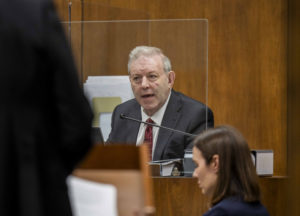
“I don’t think you can argue the contents of a report you haven’t seen,” LA Superior Court Judge Curtis A. Kin said at the Tuesday hearing.
Paul Rigali, Osako’s attorney, said during the hearing that redactions were needed to protect Osako’s privacy before releasing the documents to the public.
Rigali and Mark T. Quigley, the employees’ attorneys, did not immediately respond in time to requests for comment on the extended restraining order.
“The burden is on Ms. Osako to indicate and demonstrate that she’s entitled to this relief and that she is likely to have a reasonable probability of prevailing,” Kin said at the hearing.