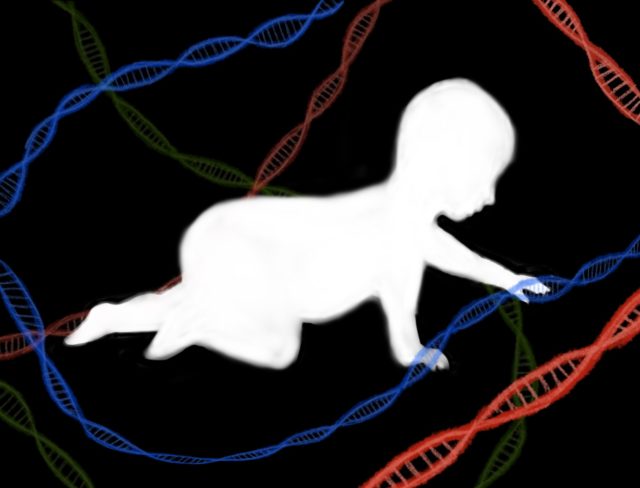
Dr. Vivian Chang, a UCLA Health pediatric hematologist-oncologist, sat down with Daily Bruin contributor Owen Mazzola to speak about her work in genetics and cancer heritability for National Childhood Cancer Awareness Month.
Chang earned her medical degree from the University of Chicago Pritzker School of Medicine. She established the UCLA Pediatric Cancer Predisposition Clinic in 2012, which observes children with genetic conditions, studies the lineage of people with rare pediatric cancers and develops personalized screenings for patients.
Chang was named a Top Doctor by Los Angeles magazine in 2021 and received a grant from the American Society of Hematology in 2024.
This interview has been edited for length and clarity.
Daily Bruin: How has the pediatric cancer landscape changed in the past few years? Are there any different types of treatment methods you’re noticing?
Vivian Chang: In the last decade, we’ve moved more and more towards precision medicine with advances in genetic testing technology. We’ve been able to better characterize the cancers but also the heritable components that might increase someone’s risk of cancer.
A couple of our pediatric cancer diagnoses will have specific, targeted therapy options instead of general chemotherapy or radiation. There are some medications out there now that will target specific markers on the cancer cells.
DB: How is building a treatment plan for pediatric cancer different from adulthood cancer?
VC: The family members that I take care of – for the most part – don’t have cancer but may have the same genetic condition that led to their child developing cancer at an early age. I see patients across the lifespan and develop personalized cancer screening plans depending on what the genetics was.
The extra layer of complexity is that if you’re a parent with a child with cancer and then you learn that you also have a genetic condition, you’re trying to take care of your kid, yourself and potentially other family members.
I hear a lot about the challenges navigating the healthcare system with appointments, keeping track of lab tests and all of the insurance authorizations they need to stay on top of. It’s a really heavy burden on parents because they are also a patient.
DB: What are the main misconceptions by the public surrounding pediatric cancer?
VC: Generally, we think of cancer as random bad luck. There are a couple instances where lifestyle choice and environmental factors can increase your risk of cancer, but for the most part, cancer can strike anyone.
When a child is diagnosed with cancer, one of the common questions parents ask us is, “Why did this happen? We eat really health. We have a non-toxic household. Why did this happen to my kid?” The second question is, “What about my other kids? How can I keep them healthy and safe?”
It comes back to a significant number of patients will have an underlying genetic component, and it’s really important that we identify what that is because there could be risk to the parents. There could be risk to the other kids and there could be ongoing risk after that child beats their first cancer.
We’ve also had situations where a parent’s life was saved because of their child. Because their child was diagnosed with cancer, we were able to identify a genetic link. It’s really important for people to know their family history and to ask the question of, “Is there any possible genetic link and what can I do to get my family tested?”
DB: Is there anything else important about pediatric cancer that we haven’t covered?
VC: The most common cause of death from a disease in childhood is cancer. Despite that, there is very little funding on a federal level that’s allocated for pediatric cancer research.
The only way that we make progress against pediatric cancer is through research. Four percent of federal cancer research funding is allocated for pediatric cancer. That’s a real shame because children are the most valuable members of our society, and so we should be doing everything to improve their health.

Comments are closed.