Jade Fraser woke up every two hours from the heat last week.
“I can’t sleep,” said Fraser, a first-year human biology and society student who lives in Dykstra Hall, which doesn’t have air conditioning. “I have a lot of headaches and I think I’m dehydrating a lot.”
Fraser’s story is not singular. Students reported experiencing health issues after temperatures in Westwood reached up to 101 degrees during last week’s heat wave, which triggered Stage 1 of UCLA’s Campus Cooling Response Plan.
Yet this plan, outlined on the UCLA Facilities website, contains no information about protecting students in university housing from extreme temperatures. As campus temperatures climb once again, UCLA needs to ensure students have a safe place to rest and study during extreme heat events.
This includes dedicating spaces for cooling before heat waves, repairing broken air conditioning and considering implementing air conditioning across all UCLA Housing.
[Related: Students in dorms without AC find their rooms unbearable amid heat wave]
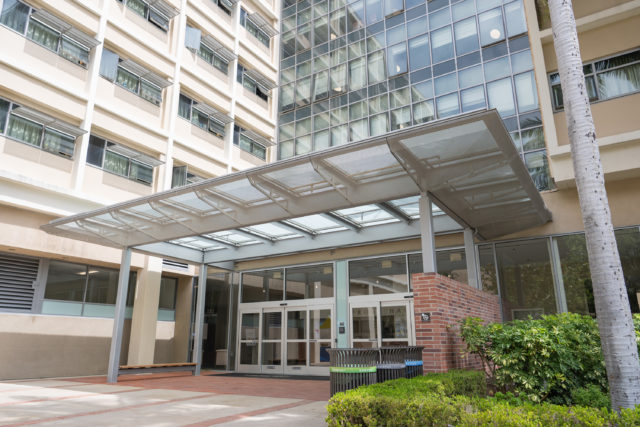
Many on-campus residences do not have air conditioning, including Dykstra Hall, Hedrick Hall, Rieber Hall, Sproul Hall, Hitch Suites and Saxon Suites.
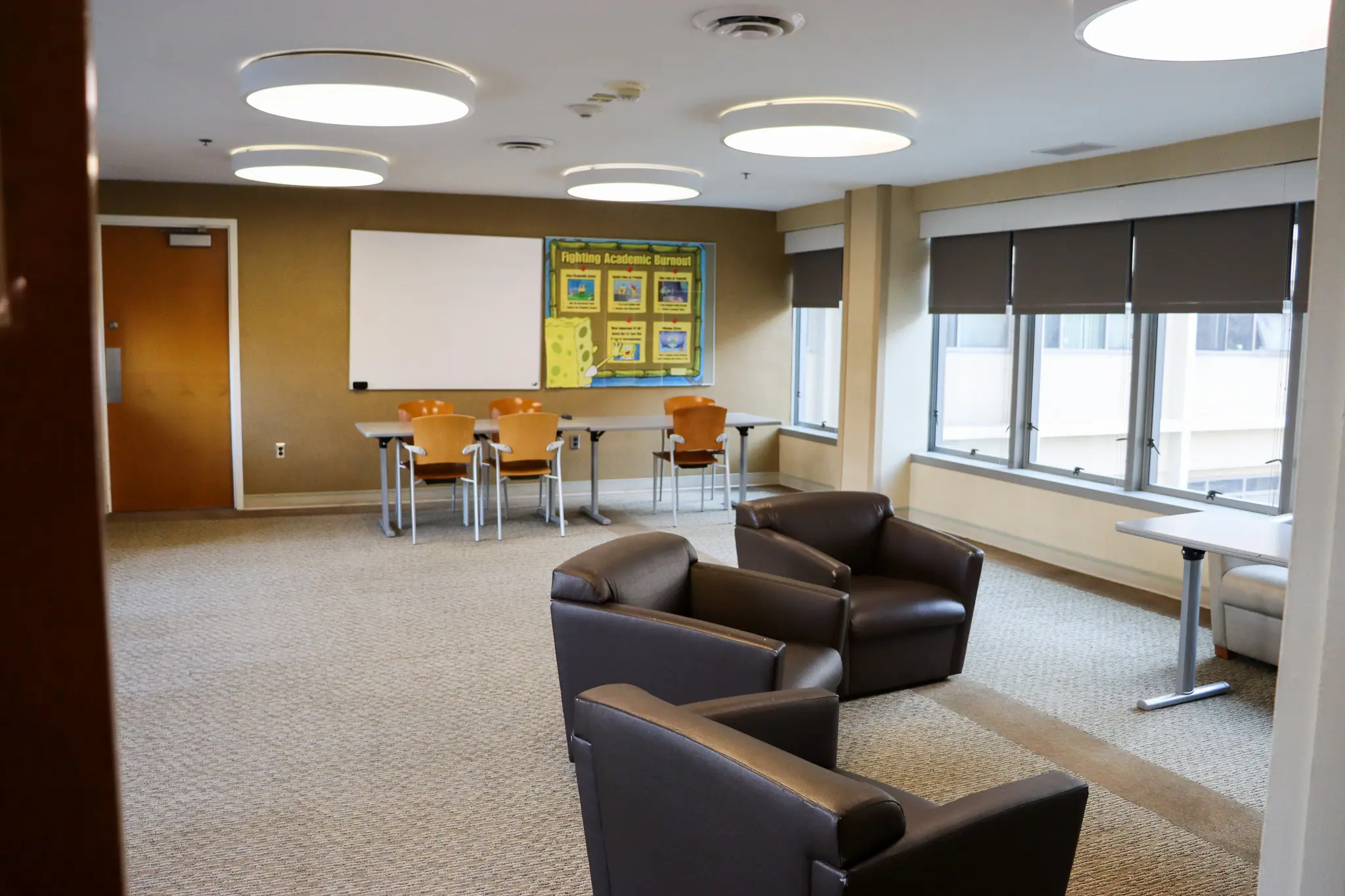
On Oct. 5, UCLA Housing announced it would open the air-conditioned De Neve Plaza Room for students to use. Residential Life hoped the additional spaces would provide students a place to cool down and study, said Lauren Han, an employee of the Sunset Village Learning Center.
Residential Life’s effort to improve student comfort is admirable, but should be part of a detailed, institutionalized plan rather than a hasty mid-heat-wave decision.
Installing air conditioning in all residential buildings is the most ideal outcome – even if that strategy comes with a litany of financial and logistical challenges.
With the progression of climate change, extreme heat will likely become an increasing reality for students. Installing AC must be considered by UCLA administrators, without placing additional financial strain on students.
In the meantime, the university can take smaller, more realistic steps to promote heat safety for current students. Housing should create a plan outlining air-conditioned spaces it can open for students during heat waves, as well as designate staff to run these spaces overnight. Even a fan rental process could help students mitigate some symptoms of extreme heat.
These relief efforts are a necessary addition to the UCLA Campus Cooling Response Plan and should be easily accessible to students living in university housing.
Heat is still a problem even in residences equipped with AC. Emily Ruby, a fourth-year political science and public affairs student, said the air conditioning unit in her Gayley Court apartment has been broken since she moved in.
“I’m on medication that makes me susceptible to heat stroke,” Ruby said.
Despite attempts at resolving the issue with UCLA Housing, she alleged it has not been responsive to her requests. UCLA Media Relations did not immediately respond to a request for comment.
UCLA needs to prioritize fixing its current air conditioning system to ensure students get the maintenance they need during extreme heat events.
For students without underlying health conditions, the heat wave may have just been a sweltering inconvenience. For others, the weather was significant enough to impact their academic performance.
Grace Tan, a first-year physics student who lives in Hedrick Hall without AC, said she had a hard time sleeping during the heat wave, impacting her concentration in class.
UCLA residential spaces should provide students the conditions they need to succeed. Now more than ever, extreme heat will factor into that equation.
In the Oct. 5 email, UCLA Housing reminded students that they can open their windows to increase airflow.
But when temperatures reach 101 degrees, the health and academic success of the student body depends on the university creating a better plan than that.


Comments are closed.