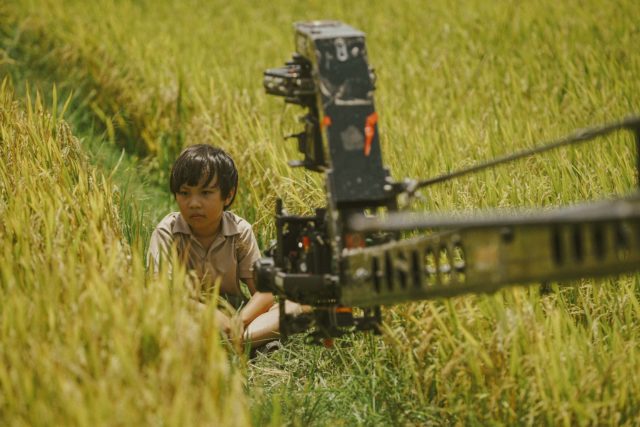
A goodbye only lasts a moment, but its weight can linger for a lifetime.
J. Robert Schulz’s debut feature film “Chrysalis” follows lingering threads of love, loss and memory. The autobiographical film was recently released as “Mãi Nợ Một Lời Tạm Biệt,” or “The Farewell I Never Gave,” in Vietnam and has a United States theatrical release planned for April 2027, when it is set to premiere at the Beverly Hills Film Festival.
David Dubinsky – a UCLA alumnus and producer of the film – said he was drawn to the project after getting to know Daniel K. Winn, the subject of the film, which reflects on his childhood in war-torn Saigon in the 1970s and his experiences with poverty, family trauma and displacement. The UCLA alumnus, who met Winn while interviewing him for an art magazine, said he was compelled by Winn’s story and how his experience inspired him artistically after he immigrated to the United States.
“Watching it on the big screen became very emotional to me,” Dubinsky said.
[Related: Gripping ‘Fjord’ navigates the treacherous terrain between faith, family and justice]
The film follows Winn as he confronts his familial past through painting and sculpting. It begins in the present and then transitions to a series of dreamlike flashbacks, focusing on his relationship with his grandmother “Bà Nội,” played by award-winning actress Kieu Chinh.
A source of unconditional love and guidance, Bà Nội is not only the centerpiece of Daniel’s childhood during a time of family turmoil but also the main focus of the film itself. Through Winn’s experience with war and separation from his family, Schulz highlights both Winn’s journey to artistic freedom in the US and the consequences of leaving loved ones behind. Each flashback contextualizes challenges that arose during Winn’s life and illustrates how Bà Nội acts as an influential force to help Winn find literal and artistic freedom.
Despite it being Dubinsky’s first international feature, the UCLA alumnus said he enjoyed working with all the creatives behind the film as they navigated language barriers. Dubinsky added that working remotely was new for him.
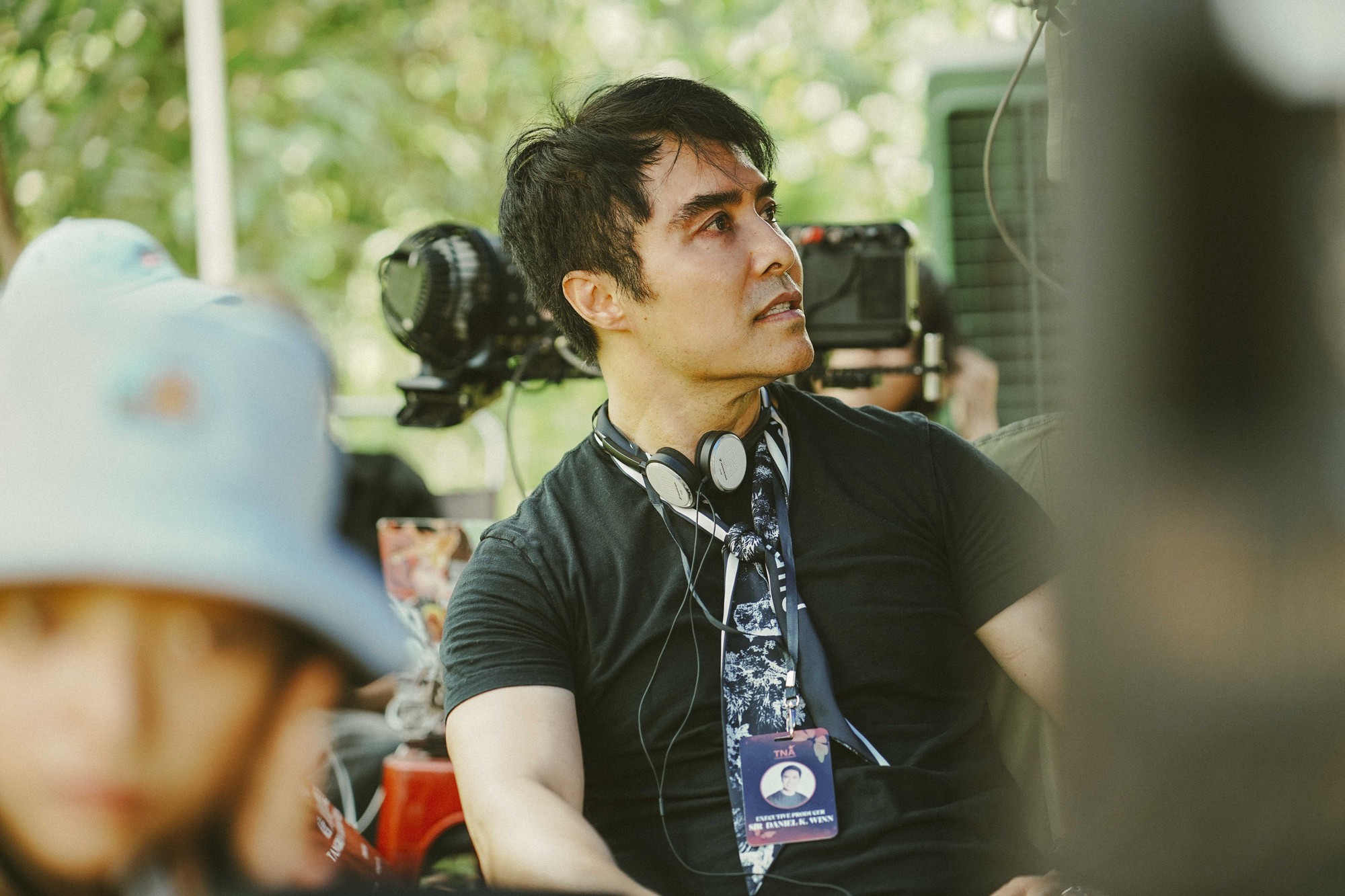
“This is a new experience to do an international film,” Dubinsky said. “I enjoy being involved in the creative process, but for me it wasn’t a challenge whatsoever to produce it, even though I wasn’t on set.”
Winn – an actor, producer and artist – said working on a film based on his life was cathartic. From collaborating on the screenplay to playing himself in the film, Winn said he had the opportunity to revisit his past, something that he always hoped for.
“It gave me an opportunity to say goodbye to someone I was not able to say goodbye to in life,” Winn said in a written statement. “This whole process gave me closure.”
[Related: Postcode Ukraine: In the shadows of war, a photographer looks for stories of solidarity]
As a painter and sculptor, Winn said developing his first feature film gave him another outlet to express his artistic vision. Filmmaking, he added, successfully brought his story to life.
“I’m very proud to have finished this film … to see the Vietnamese government and people embrace the film feels miraculous,” he said. “Watching Vietnamese and Vietnamese American audiences respond so emotionally gives me hope that the rest of the world will see how we can avoid repeating the same mistakes.”
For Schulz, directing his first feature film was both challenging and rewarding. Part of the challenge was learning to adapt to the workflows in Vietnam, but Schulz said he started grasping a stronger understanding of the Vietnamese-speaking portions of the screenplay as time went on.
The film took home awards upon its debut at the Marché du Film in Cannes and its showing at the LA Tribune International Film Festival in August, including Best Feature Film, Best Actress and Best Director at the LATIFF.
“Each of these accolades has made me really, really proud of being involved with such a beautiful project and a beautiful story,” Dubinsky said.




Comments are closed.