
This post was updated May 6 at 1:33 p.m. We know you have a lot of questions about the novel coronavirus. From questions about recovery to whether or not UCLA Hill employees would be paid, Daily Bruin staffers answered your most pressing questions. Read more...
Science & Health

News, Science & Health
|
April 4, 12:10 am
Three more test positive for COVID-19 in UCLA community
Three additional members of the UCLA community tested positive for the novel coronavirus in two days, according to university officials. None of the three UCLA community members have been on campus for at least two weeks, the amount of time it takes for most patients to show symptoms of COVID-19, the disease caused by the coronavirus. Read more...

Los Angeles, News, Science & Health, Westwood
|
April 1, 7:08 pm
Total confirmed UCLA COVID-19 cases reach 9 after 2 more students test positive
UCLA confirmed Wednesday that there are two new cases of the novel coronavirus in the university community, bringing the total up to nine. Both new cases are students who live in off-campus apartments that are not owned by the university, according to UCLA’s case update page. Read more...
Photo: Two more students in the UCLA community have tested positive for the novel coronavirus, bringing the total number of cases up to nine.

Campus, Los Angeles, News, Science & Health
|
March 28, 9:36 pm
UCLA records 2 new cases of COVID-19 in community, bringing total to 7
UCLA reported its first case of COVID-19 in on-campus housing Saturday, one of two new cases in the university community. A university staff member who lives in an on-campus apartment and a student who lives in off-campus housing not owned by the university tested positive for the novel coronavirus, UCLA announced Saturday. Read more...

Campus, News, Science & Health
|
March 25, 4:41 pm
More than 80% of residents leave the Hill after decision to move classes online
This post was updated March 26 at 1:33 p.m. More than 80% of students living on the Hill have moved off campus and more are expected to trickle out, said a residential life official at an undergraduate student government meeting Tuesday. Read more...
Photo: Over 80% of students who live on the Hill have moved out following UCLA’s decision to move spring quarter online. (Daily Bruin file photo)
Campus, News, Science & Health
|
March 20, 7:47 pm
UCLA to suspend majority of nonessential on-campus research
Most on-campus research will shut down starting 11:59 p.m. on Friday, with the exception of that which cannot be done remotely, campus officials said. Researchers must obtain permission for essential experiments and for essential research personnel to remain on campus. Read more...
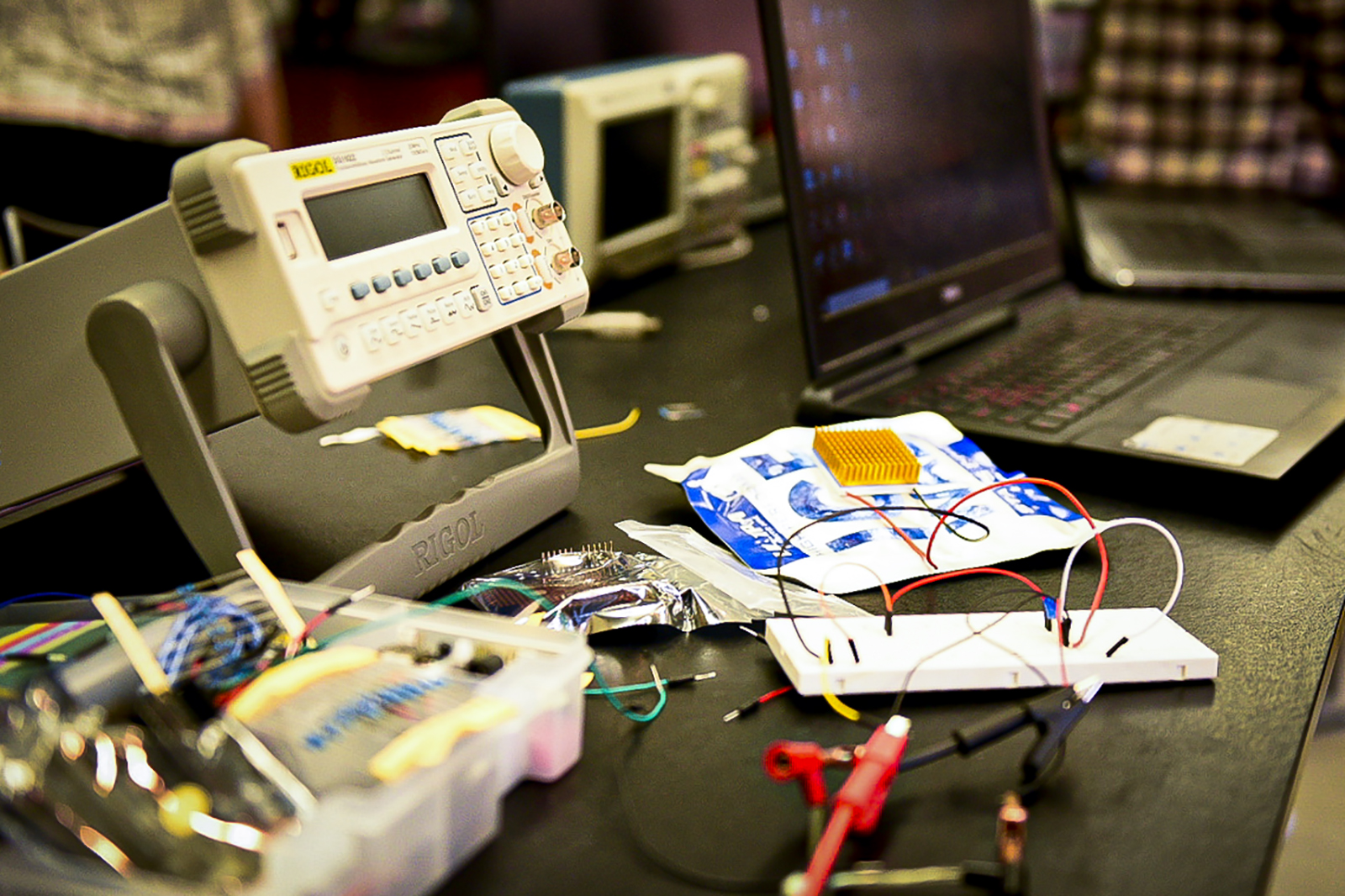
Photo: UCLA is shutting down most on-campus research following a “safer at home” order for Los Angeles County, officials announced Friday. Those who wish to continue must request permission. (Daily Bruin file photo)

News, Science & Health
|
March 16, 11:28 pm
UCLA researchers develop magnetized robots capable of performing medical tasks
UCLA researchers have developed an automated, robotic framework that can perform an array of medical tasks previously done by humans. The microscale technology, which can perform blood processing, clinical work-ups, diagnostic testing, biomedical assays, sequence genetic material, and assist in the manufacture and development of pharmaceutical drugs, would eliminate the need for human contact and the risk of exposure to pathogens and chemical mutagens, which are critically harmful to an individual’s health. Read more...
Photo: (Emily Dembinski/Daily Bruin)