Sunday, February 8

Activists march through Westwood and UCLA to protest animal experimentation

Animal rights activists protested a proposed state bill and UCLA’s use of animals in medical experiments Friday. About 40 people walked from Westwood to UCLA, before heading to Cedars-Sinai Medical Center, to protest animal experimentation as well as Assembly Bill 700. Read more...

Photo: Animal rights activists walked from Westwood to UCLA to protest animal experimentation as well as Assembly Bill 700, which would further prevent the disclosure of specific information relating to researchers and their research at public universities and community colleges. (Alice Naland/Daily Bruin)


UCLA study suggests vitamin D may be a safe, seizure-minimizing epilepsy treatment

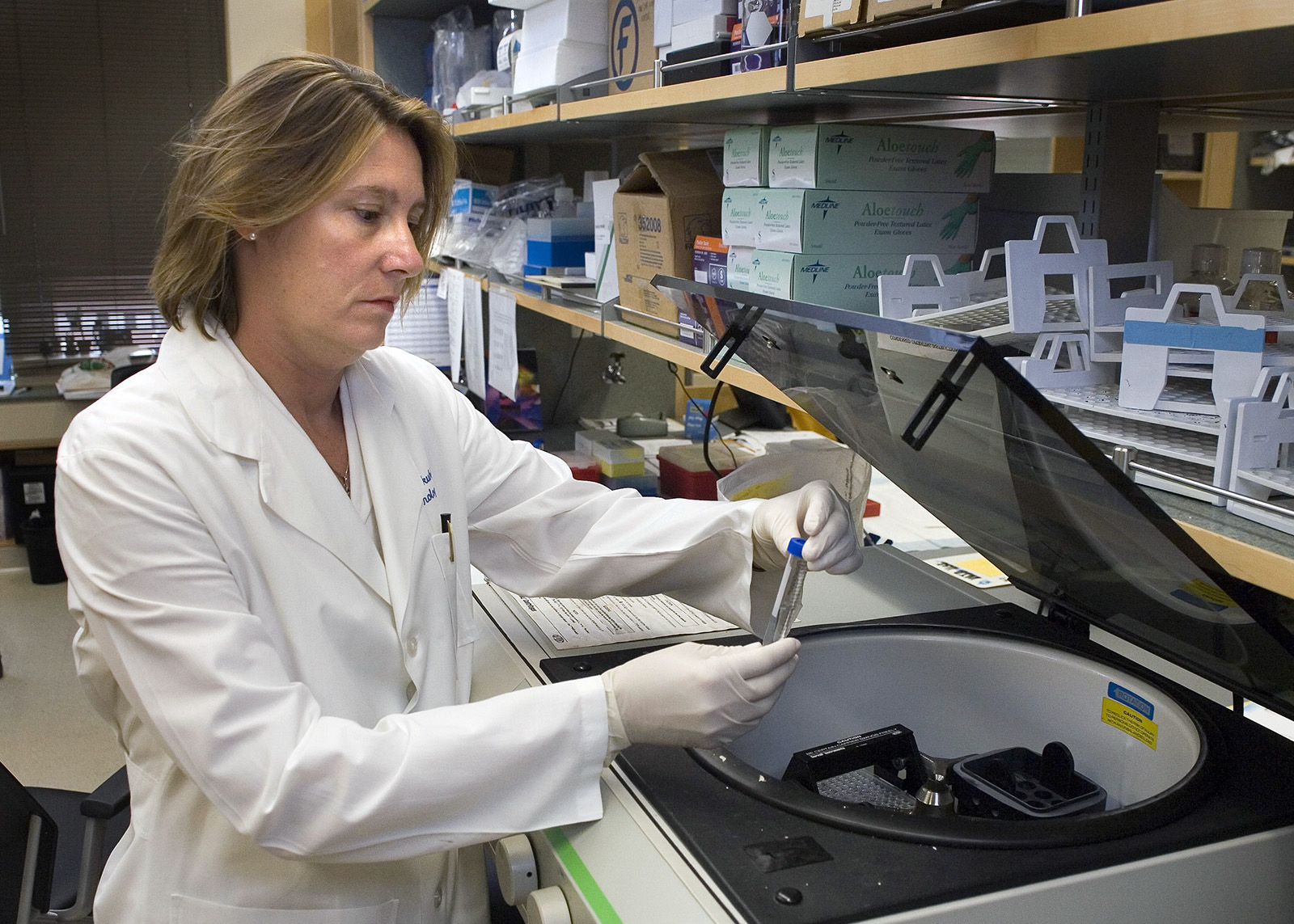
Vitamin D may help reduce the frequency of seizures in epilepsy patients, according to a recent study from UCLA. Researchers in the lab of Christopher DeGiorgio, a professor of neurology, found that epilepsy patients experienced moderately fewer seizure episodes after taking vitamin D pills. Read more...

Photo: Researchers in the lab of Christopher DeGiorgio, a professor of neurology, found that epilepsy patients experienced moderately fewer seizure episodes after taking vitamin D pills. (Daily Bruin file photo)


UCLA researchers discover cost and time efficient method to recycle water

UCLA researchers designed a water vapor capture system that could purify industrial wastewater and agricultural runoff three times more efficiently than existing methods. The study, published in the April issue of Science Advance, was led by Yongho Sungtaek Ju, a mechanical and aerospace engineering professor. Read more...

Photo: Abolfazl Sadeghpour, a mechanical engineering graduate student, was a co-lead author of the study. (Joe Akira/Daily Bruin staff)


UCLA researchers develop wearable device that generates electricity from snow

UCLA researchers created a device that can generate electricity from snow. The device, called the snow-TENG, is a thin, transparent sheet of mostly silicone, which can be inexpensively manufactured using a 3D printer. Read more...

Photo: The snow-TENG generates a small amount of electricity for a variety of uses, from weather tracking to powering wearable clothing technology. (Courtesy of Abdelsalam Ahmed)


1 129 130 131 132 133 338