Monday, March 30

Researchers discover gene suppressing stroke and brain injury recovery

UCLA researchers discovered that a gene could suppress stroke recovery and traumatic brain injury recovery. Stanley Carmichael, the chair of the neurology department, and Alcino Silva, a psychology professor, found that blocking the function of the CCR5 gene leads to better cognitive and motor skill recovery after a stroke or traumatic brain injury. Read more...

Photo: Stanley Carmichael, the chair of the neurology department, and Alcino Silva, a psychology professor, found that blocking the function of the CCR5 gene leads to better cognitive and motor skill recovery after a stroke or traumatic brain injury. (Daily Bruin file photo)

New methods could make plants more resilient to climate changes, disease

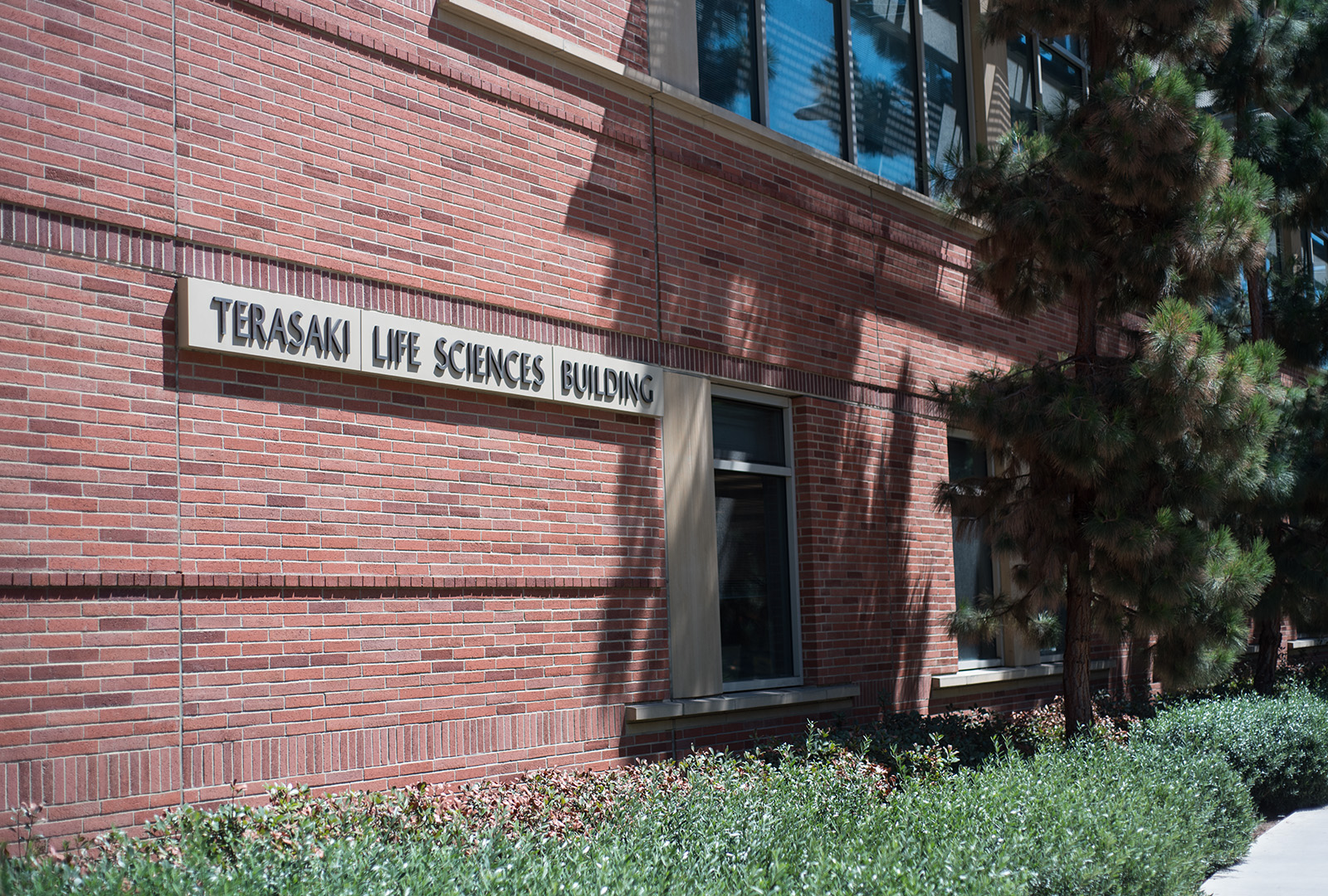
UCLA researchers developed new methods to manipulate gene expression in plants, which could help make them resistant to climate change and plant-harming bacteria. In a study published February, researchers in molecular, cell and developmental biology professor Steve Jacobsen’s lab designed proteins that can silence specific genes. Read more...

Photo: Researchers in the molecular, cell and developmental biology professor Steve Jacobsen’s lab designed proteins that can silence specific genes. (Daily Bruin file photo)


Open access to research remains focus for UC after end to Elsevier negotiations

This post was updated April 3 at 3:32 p.m. The University of California reaffirmed its commitment to promoting open access to research by terminating its negotiations for a new contract with a scientific journal publisher, UC negotiators and students said. Read more...

Photo: The UC’s contract with Elsevier, a publisher of over 2,500 scientific journals, expired Dec. 31. The UC ended negotiations with Elsevier on Feb. 28, after they had gone on for eight months. (Daily Bruin file photo)


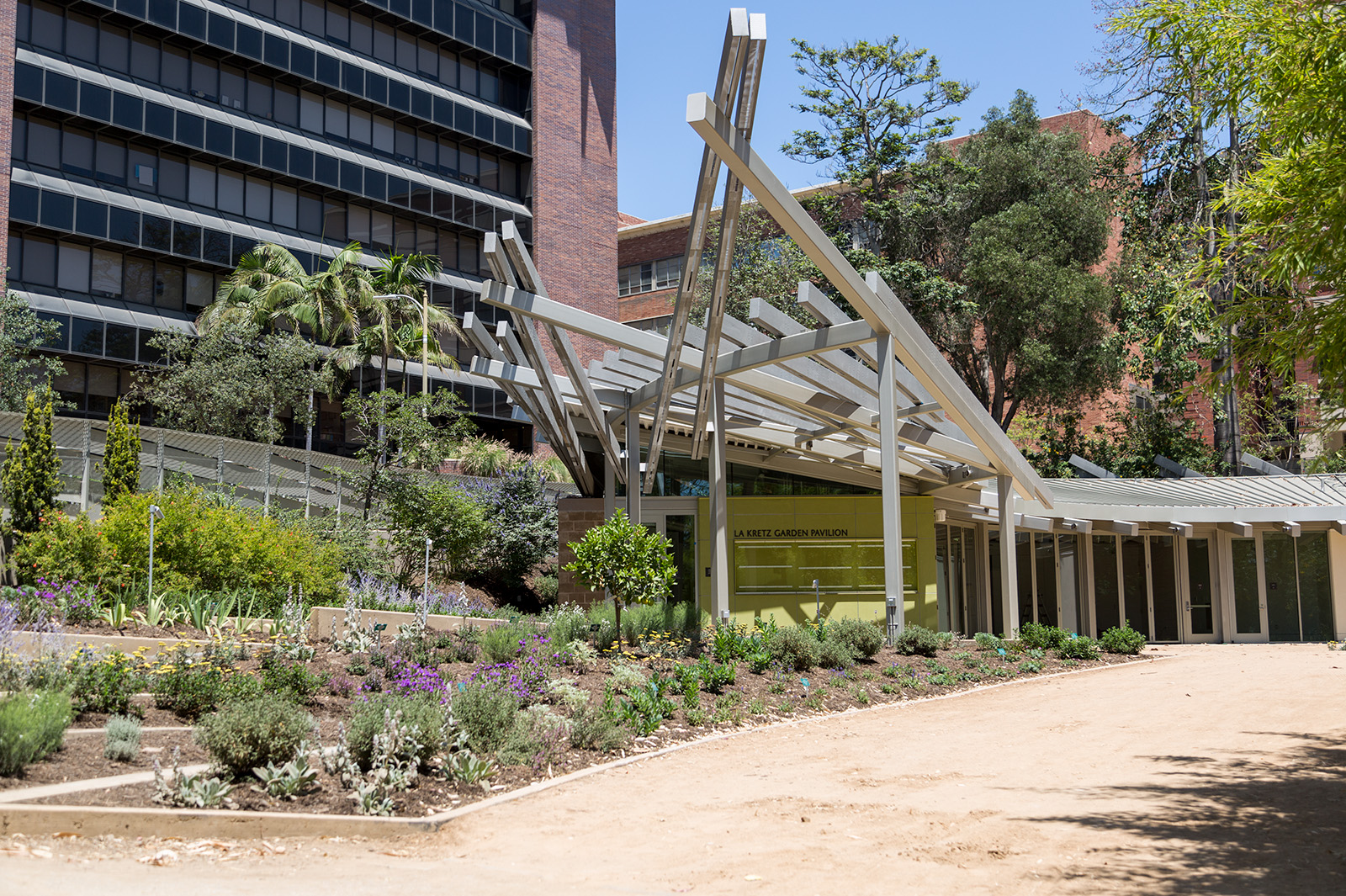
Bruin Beekeepers build brand-new beehive in Botanical Garden

A student beekeeping group installed UCLA’s first student-made beehive on campus Friday. The Bruin Beekeepers at UCLA, an organization that aims to educate students about the native bee population and environmental sustainability, held an event at the Mildred E. Read more...

Photo: (Daily Bruin file photo) The Bruin Beekeepers, an organization that aims to educate students about the native bee population and environmental sustainability, held an event at the Mildred E. Mathias Botanical Garden.


UCLA researchers help develop new, more durable aerogel insulator

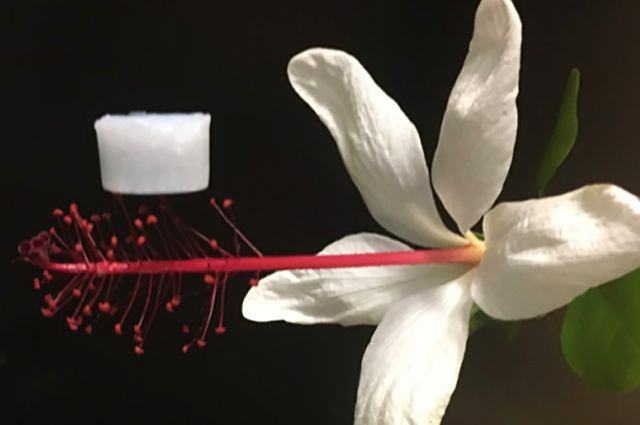
UCLA researchers invented a new aerogel that that can withstand quick temperature changes, offering a better way to insulate spacecrafts traveling to planets with extreme conditions. Read more...

Photo: Current aerogels used in spacecrafts crack under extended exposure to high temperatures, requiring scientists to frequently replace the insulator or abandon the technology altogether. The new aerogel called hBN aerogel that can withstand quick temperature changes. (Courtesy of Xiangfeng Duan and Xiang Xu)


Resnick Neuropsychiatric Hospital awarded top nursing recognition in the country

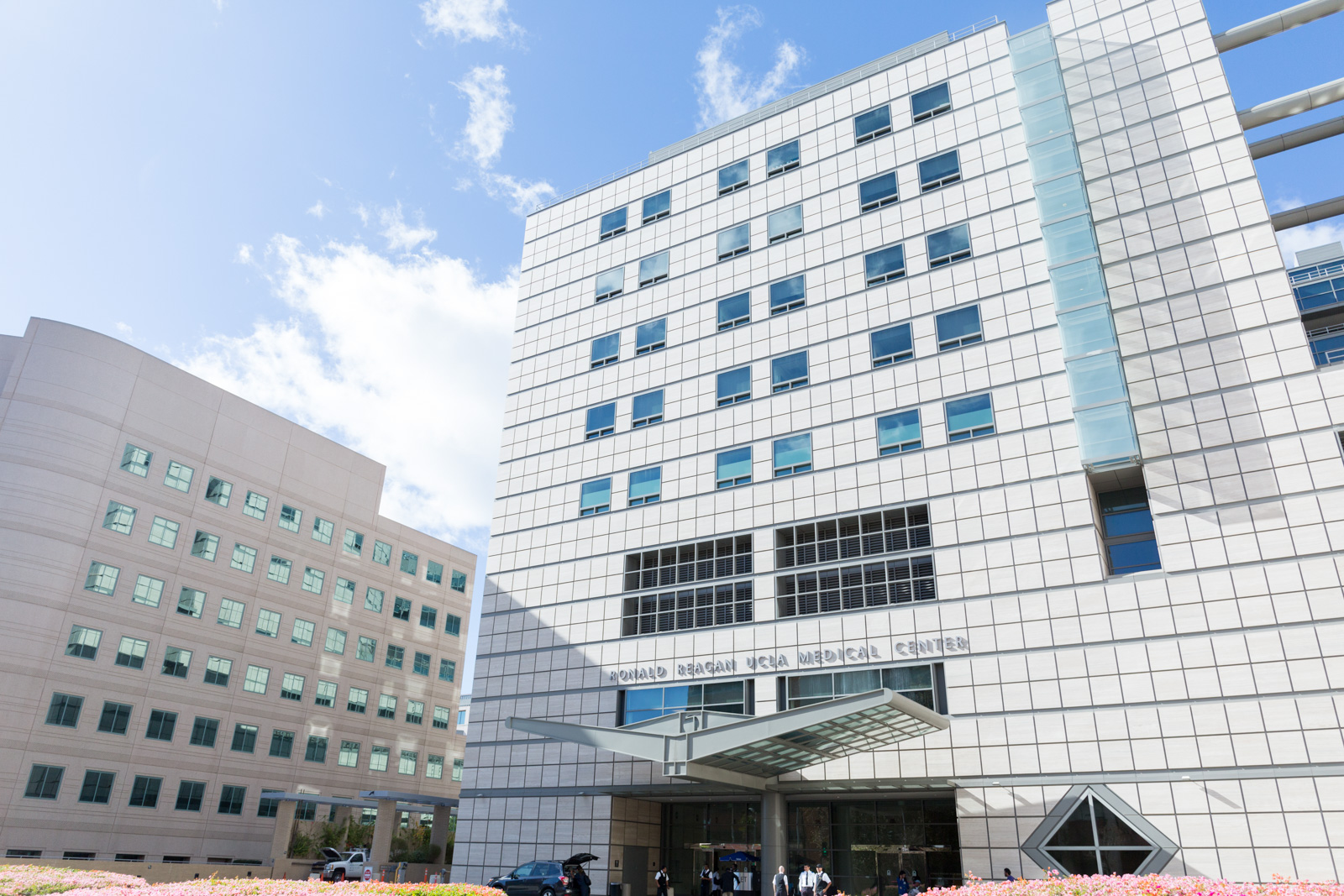
The Stewart and Lynda Resnick Neuropsychiatric Hospital at UCLA received the highest honor for nursing in the country, according to a university press release. The Resnick Neuropsychiatric Hospital was designated as a Magnet organization by the American Nurses Credentialing Center. Read more...

Photo: The Stewart and Lynda Resnick Neuropsychiatric Hospital, which is housed by the Ronald Reagan UCLA Medical Center, provides care in neuropsychiatric and behavioral health. It received the highest honor for nursing in the country. (Daily Bruin file photo)


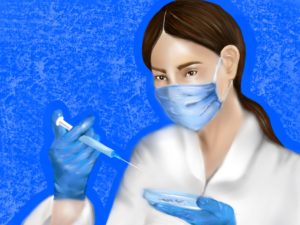
New method in testing drug effectiveness shows promise in treating rare cancers

UCLA researchers developed a new method of testing the efficiency of different cancer treatments by growing tumors derived from patients’ cancer cells in labs. A team of undergraduates, graduate students and postdoctoral faculty in the UCLA Jonsson Comprehensive Cancer Center published a paper showing the technique was effective in determining the right treatments for patients with rare forms of cancer in Communications Biology, a Nature Research journal, Feb. Read more...

Photo: (Clara Vamvulescu/Daily Bruin)


1 134 135 136 137 138 341