Monday, March 30

Genome of aquarium sea otter to contribute to research, conservation efforts

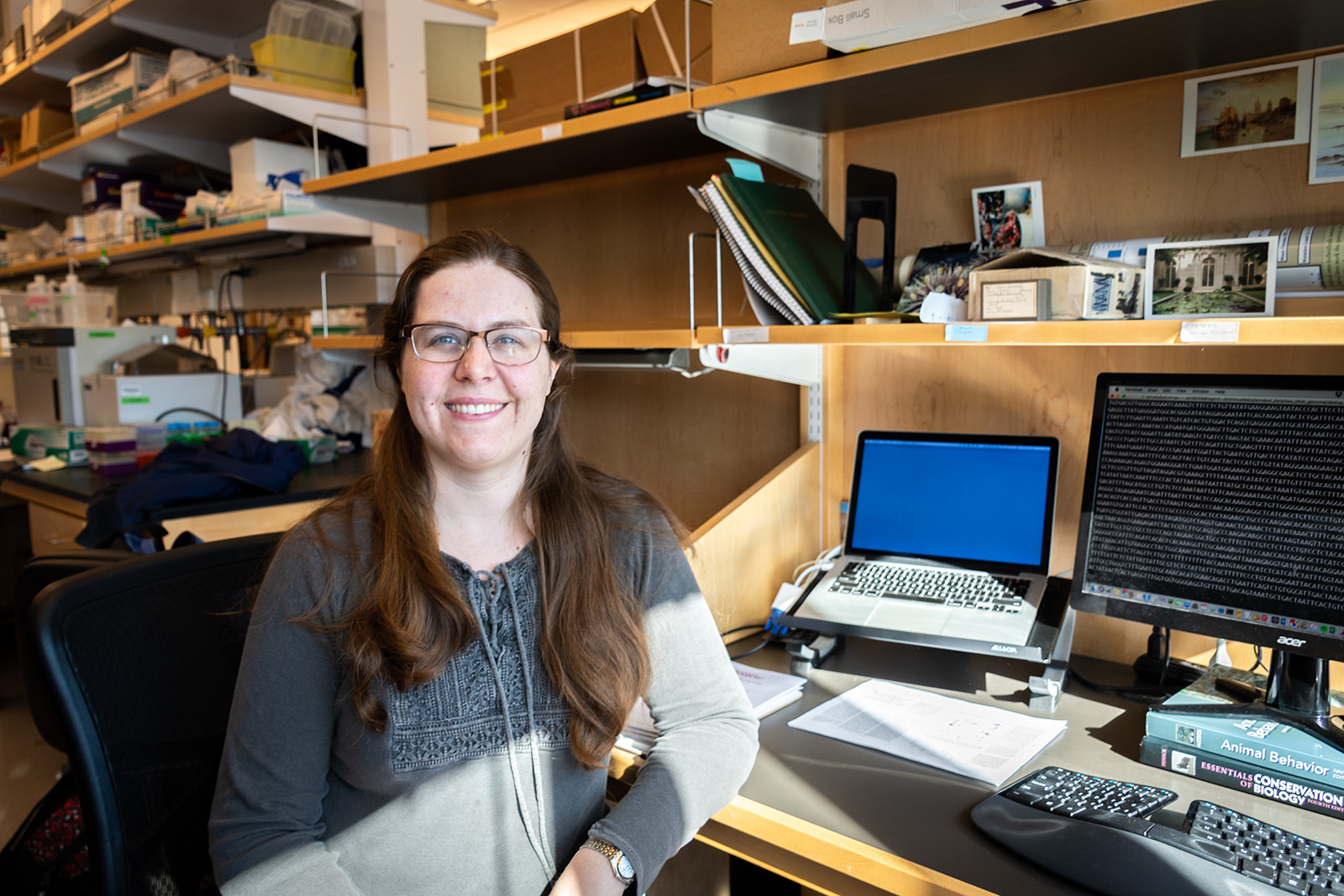
A UCLA graduate student sequenced a sea otter genome to understand how the species almost went extinct hundreds of years ago. Annabel Beichman, the graduate student leading the project, sequenced the genome of Gidget, a sea otter from the Monterey Bay Aquarium who passed away Feb. Read more...

Photo: UCLA graduate student Annabel Beichman said she thinks she was the first researcher to acquire a sea otter genome. (Lauren Man/Daily Bruin)


Researchers develop more accurate method of determining age of death

UCLA researchers have developed a new tool to predict when someone will die, but don’t start planning your funeral yet. In a study published last month in the journal Aging, researchers in the lab of Steve Horvath, a professor of human genetics and biostatistics, developed a new method of predicting the population lifespans that is 14 percent more accurate than previous methods. Read more...

Photo: (Jennie Wang/Daily Bruin)


UCLA medical center nurse receives national award for exceptional patient care

Melissa Reider-Demer would frequently check on her patients even when she was not on shift. Heidi Eddy-Dorn, the mother of one of Reider-Demer’s patients, said she was impressed by Reider-Demer’s ability to be so empathetic while also being clinical and professional. Read more...

Photo: Melissa Reider-Demer, a nurse in the neurology department of the UCLA Ronald Reagan Medical Center, received the national Nurse of the Year award in November from Press Ganey. (Courtesy of Press Ganey)


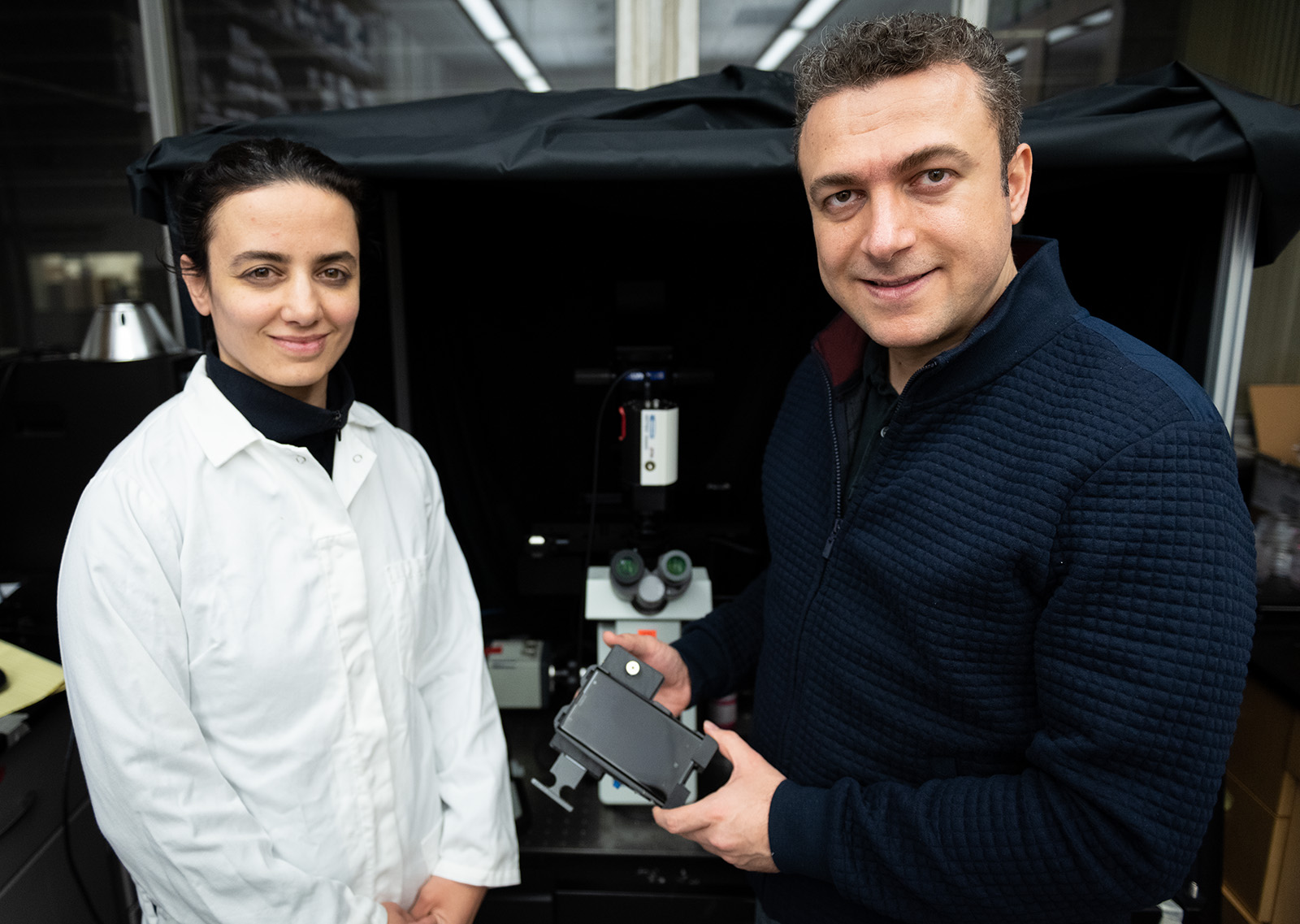
UCLA researchers develop smartphone-based microscope to detect lethal bee parasites

UCLA researchers helped develop a smartphone-based microscope to detect parasites in bees. Aydogan Ozcan, the associate director of the California NanoSystems Institute at UCLA, developed a 3D-printed microscope to help beekeepers quickly determine if one of their bee colonies is infected with Nosema apis or Nosema ceranae, unicellular parasites that infect honeybees. Read more...

Photo: Beekeepers will be able to attach a 3D-printed microscope to a smartphone device to view samples of a dead bee’s gut tissue. (Amy Dixon/Photo editor)


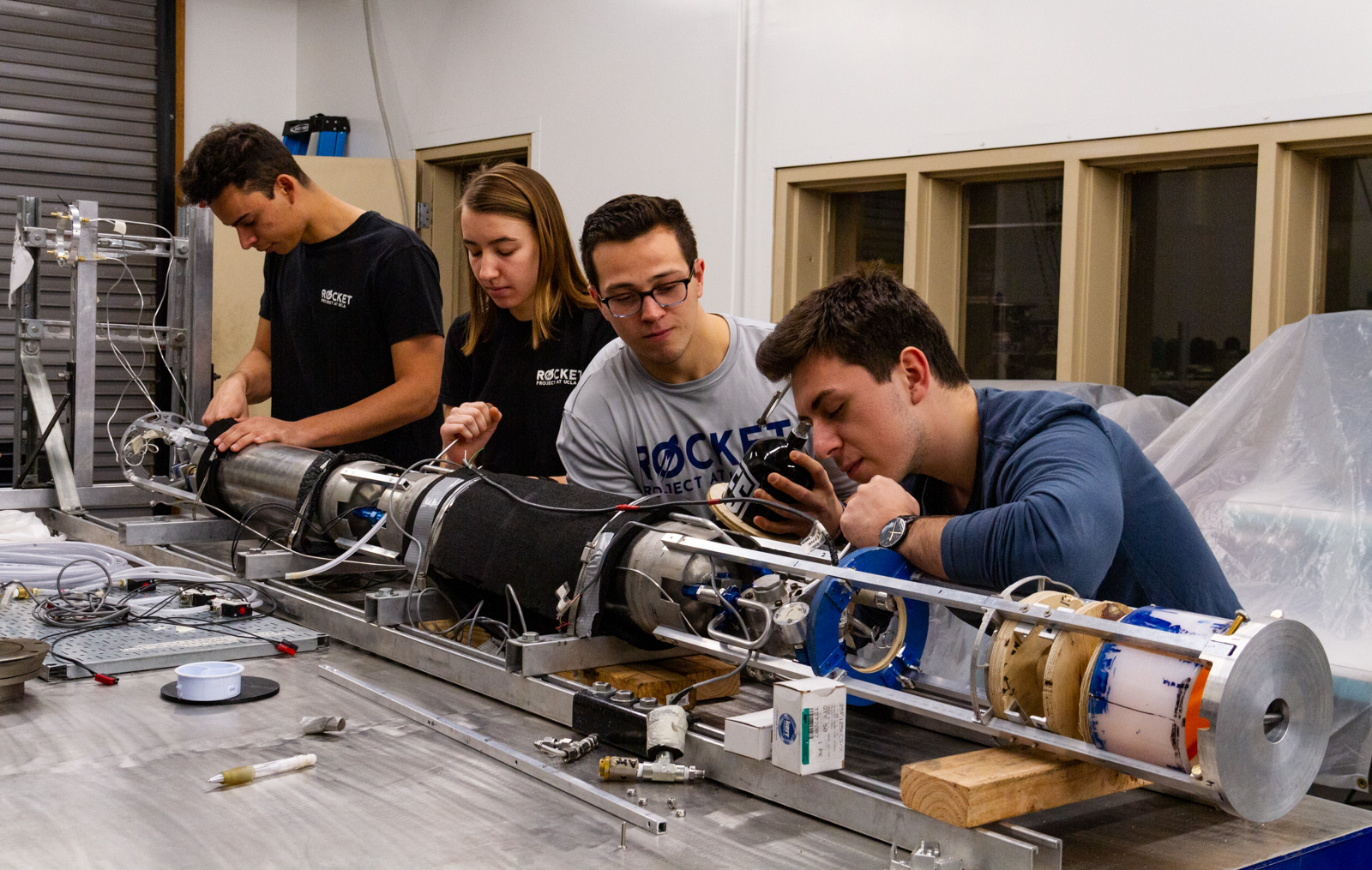
Rocket club refines safety protocol in response to accidents at other universities

UCLA faculty will now exercise greater control over a student-run rocket club due to safety concerns. New members of Rocket Project at UCLA will be required to go through a more formalized curriculum that will provide more structured instruction on rocketry and safety. Read more...

Photo: Members of the Rocket Project will experience a restructuring in order to improve safety in the club. (Tanmay Shankar/Daily Bruin)


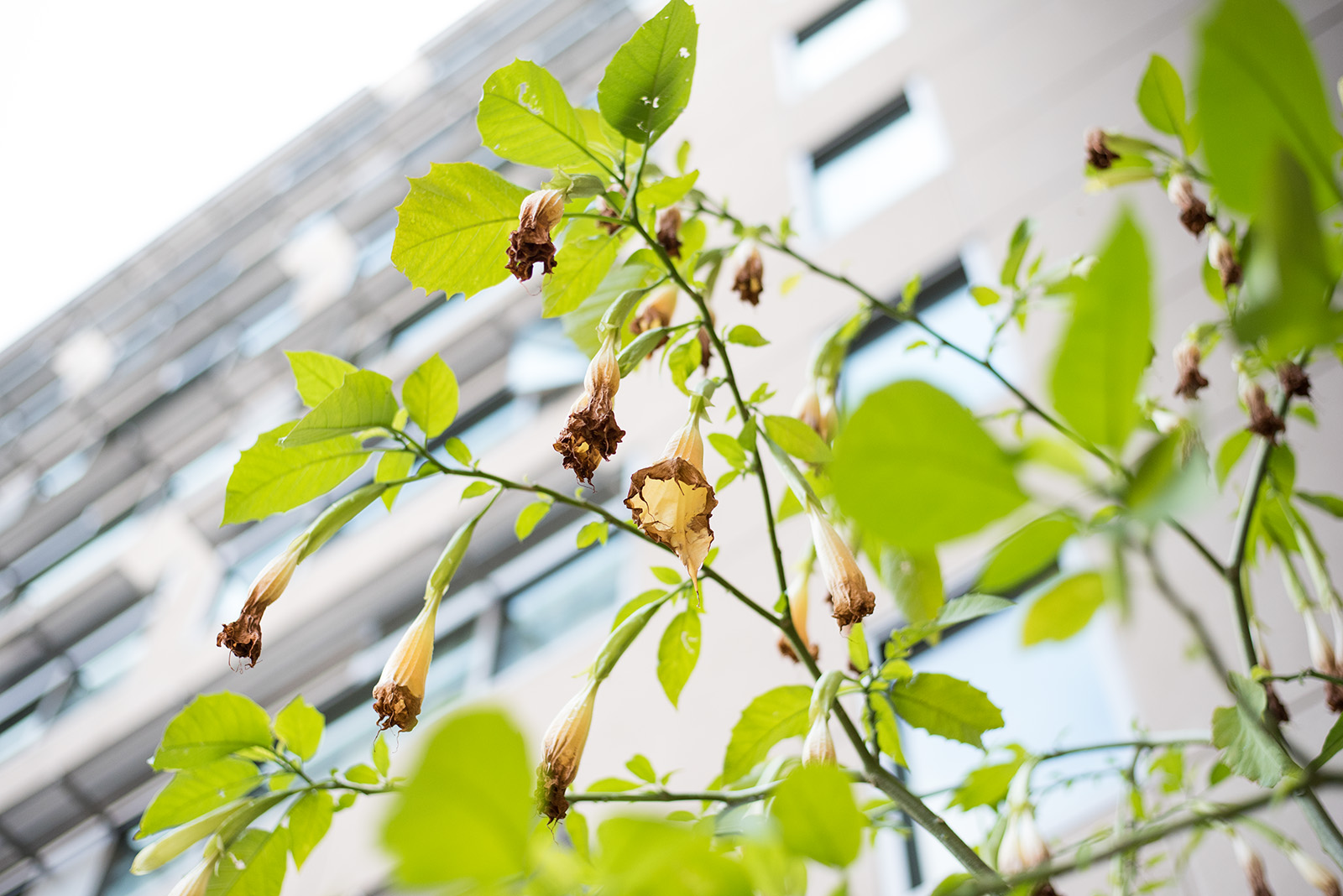
Campus Queries: Are flowers on the Hill toxic, dangerous to students?

This post was updated Feb. 12 at 3:15 p.m. Campus Queries is a series in which Daily Bruin readers and staff present science-related questions for UCLA professors and experts to answer. Read more...

Photo: The flowers, pictured above, can be found outside of Rieber and Sproul Halls. The plant, known as angel’s trumpet, is not harmful if touched, but could be deadly if eaten. (Joe Akira/Daily Bruin staff)


1 137 138 139 140 141 341