Monday, March 30

UCLA study on worms lends insight into decision-making by people

Studying neural circuits in worms might give researchers insight into human decision-making, according to a paper published by UCLA researchers. Researchers in the lab of Elissa Hallem, a UCLA professor of microbiology, immunology and molecular genetics, published a study in January on how chemical signaling molecules affect how worms behave when they are hungry. Read more...

Photo: UCLA researchers are studying neural circuits in worms to try to understand human decision-making in response to stimuli. (Daily Bruin file photo)


UCLA researchers improve scope of technology to help create gamma-ray observatory

UCLA researchers are helping construct the world’s largest and most sensitive gamma-ray observatory. The observatory, called the Cherenkov Telescope Array, will comprise 118 telescopes in the Northern and Southern hemispheres, according to a university press release. Read more...

Photo: An array of telescopes being constructed with the help of UCLA researchers will work as a system that allows researchers to study gamma rays in the sky with about 10 times more sensitivity than current telescopes. (Courtesy of UCLA Newsroom)


UCLA researcher awarded Sjöberg Prize for pioneering targeted breast cancer treatment

A UCLA researcher won an award for his efforts to target and treat breast cancer. Dennis Slamon, director of the Revlon/UCLA Women’s Cancer Research Program, won the Sjöberg Prize from the Royal Swedish Academy of Sciences and Sweden’s Sjöberg Foundation. Read more...

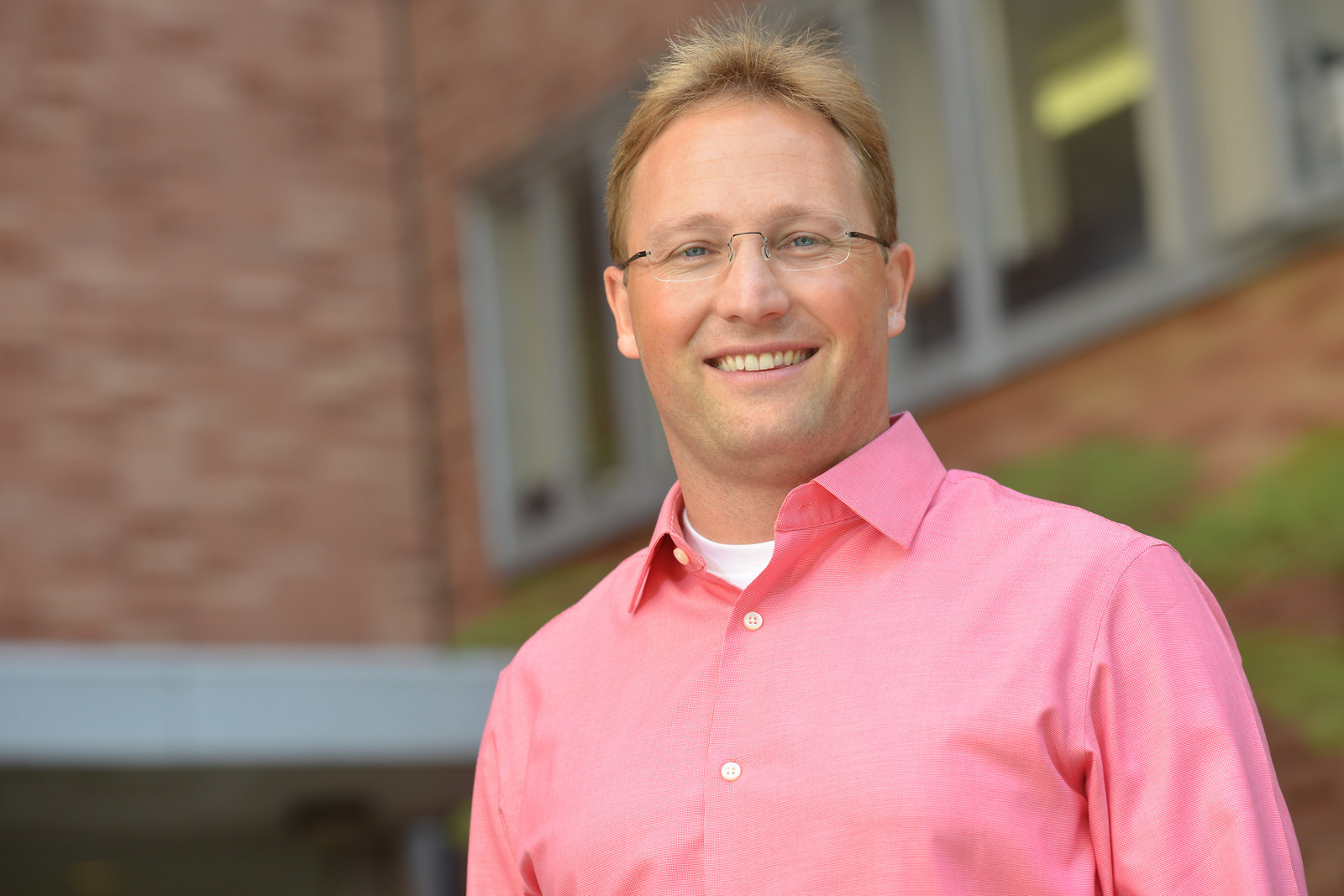
Photo: Dennis Slamon, director of the Revlon/UCLA Women’s Cancer Research Program, won an award from the Royal Swedish Academy of Sciences and Sweden’s Sjöberg Foundation for his pioneering research in targeted breast cancer treatments. (Courtesy of UCLA Newsroom)


UCLA computer science community to hold town hall seeking coursework changes

Computer science students, frustrated with the department’s lack of practical classes, are asking faculty to create coursework that better prepares them for their careers. UCLA’s chapter of Association for Computing Machinery, a student-run organization, Upsilon Pi Epsilon and the UCLA computer science department are holding a computer science town hall Feb. Read more...

Photo: UCLA’s chapter of Association for Computing Machinery, a student-run organization, Upsilon Pi Epsilon and the UCLA computer science department are holding a computer science town hall Feb. 20 to discuss students’ concerns about a lack of practicality in the department’s courses. (Daily Bruin file photo)


School of Medicine receives $15.2M gift from estate of comedian Garry Shandling

The David Geffen School of Medicine received $15.2 million to further its research, according to a university press release. Garry Shandling, a comedian, actor and previous patient at the Ronald Reagan UCLA Medical Center, died March 2016 and left $15.2 million from his estate to expand research in the division of endocrinology, diabetes and hypertension; the division of infectious diseases; and the UCLA Agi Hirshberg Center for Pancreatic Diseases. Read more...

Photo: Garry Shandling, a comedian, actor and previous patient at the Ronald Reagan UCLA Medical Center, died March 2016 and left $15.2 million to expand research in units such as the division of endocrinology, diabetes and hypertension. (Daily Bruin file photo)


Forgive yourself more: A study suggests it may help prevent cognitive decline

Self-forgiveness may be the key to preventing cognitive impairment, according to a paper published by a UCLA researcher. Researchers found lower levels of self-forgiveness were associated with greater hostility and cognitive impairment after conducting a study of a sample of American adults over 10 years. Read more...

Photo: George Slavich, one of the authors on the paper, said hostility is one of various factors that contribute to cognitive impairment. (Courtesy of George Slavich)


Researchers identify certain factors that affect Parkinson’s disease progression

UCLA researchers found several lifestyle factors can protect Parkinson’s patients from worsening motor and cognitive functions. The study, published in the Journal of the International Parkinson and Movement Disorder Society, evaluated how diverse lifestyles may impact the progression and survival of Parkinson’s disease patients. Read more...

Photo: Researchers at the UCLA Fielding School of Public Health and the David Geffen School of Medicine studied how lifestyle factors can influence Parkinson’s disease for patients. (Daily Bruin file photo)


1 138 139 140 141 142 341