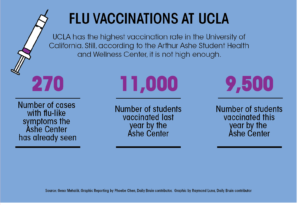
UCLA has the highest flu vaccination rate in the University of California system, but many students are still unvaccinated, leaving them at risk for illness. UCLA administered shots to nearly 11,000 students last year, said Geno Mehalik, a spokesperson for the Arthur Ashe Student Health and Wellness Center. Read more...
Science & Health
A Closer Look, Campus, News, Science & Health
|
November 26, 12:16 am
New club aims to encourage creativity, cathartic expression through slam poetry
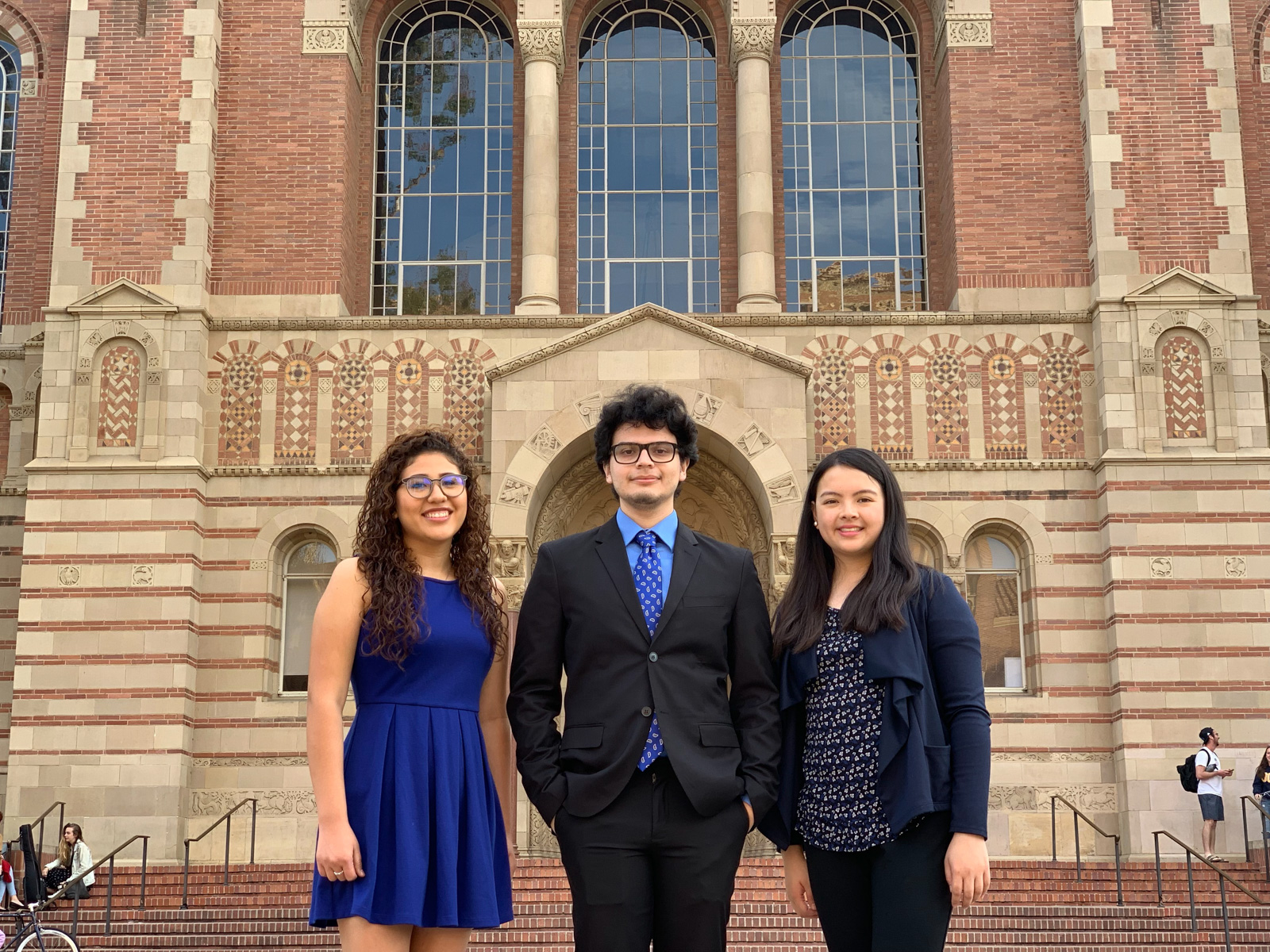
A new campus organization focused on literary creativity is building a safe space for students to express themselves through writing and performance. SLAM uniVERSE, founded fall 2018 by UCLA students Justine Ramos, Maria Zamarripa and Alexandro Guerrero, is a slam poetry club that aims to teach UCLA students about the benefits of creative literary expression. Read more...
Photo: Maria Zamarripa, Alexandro Guerrero, and Justine Ramos (left to right) created SLAM uniVERSE to help students express themselves through performance and writing. (Courtesy of SLAM uniVERSE)
Campus, News, Science & Health
|
November 26, 12:09 am
Campus Queries: What is the psychological basis for the UCLA-USC rivalry?
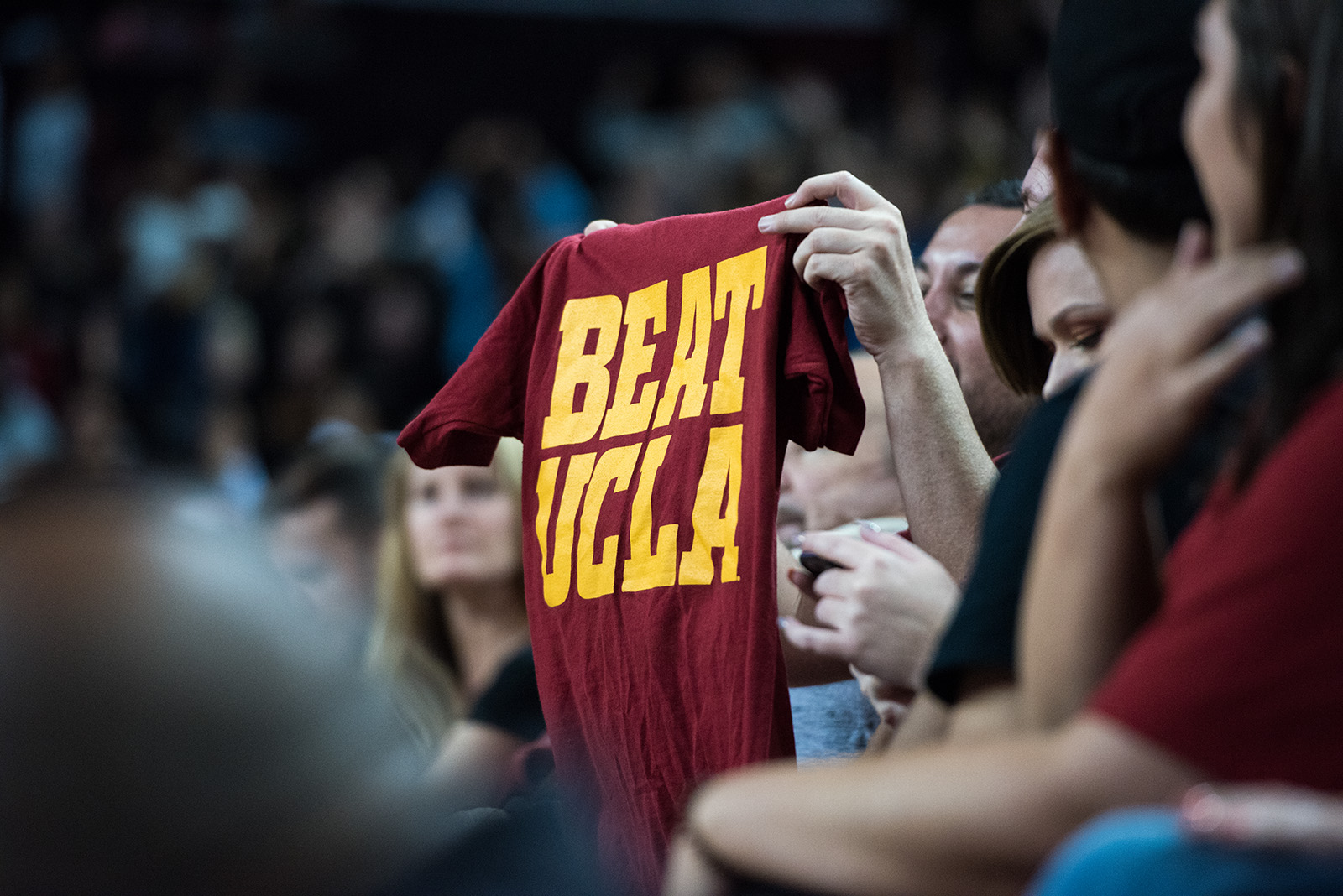
Campus Queries is a series in which Daily Bruin readers and staff present science-related questions for UCLA professors and experts to answer. Q: What makes the UCLA-USC rivalry appealing? Read more...
Photo: Intergroup rivalries, like that between USC and UCLA, may be a result of humans evolving to live in tribes in which outsiders could be considered dangerous. (Liz Ketcham/Assistant Photo editor)
A Closer Look, Campus, News, Science & Health
|
November 20, 1:08 am
UCLA study provides insight into leukemia treatment options with low-fat diet
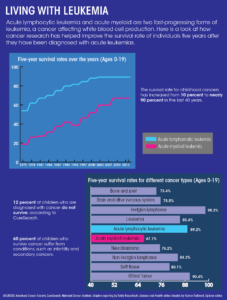
A team of UCLA researchers found a low-fat diet can improve survival rates of obese mice with leukemia, providing new ideas for doctors trying to make chemotherapy more effective. Read more...
Photo: (Keshav Tadimeti/Opinion editor)
News, Science & Health
|
November 20, 1:03 am
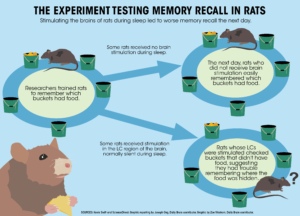
Study finds stimulating region of the brain during sleep may affect memory formation
UCLA researchers identified a region of the brain necessary for learning and memory formation in rats, furthering researchers’ understanding of how memories are formed and stored. Read more...
A Closer Look, Campus, News, Science & Health
|
November 20, 12:59 am
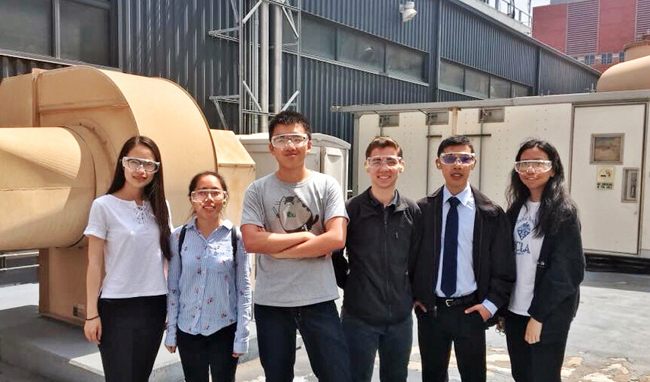
Student chemistry group wins award for environmental awareness programs
UCLA student chemists won a green chemistry award for their efforts to raise awareness of how chemistry impacts the environment. The American Chemical Society Green Chemistry Institute award is given annually to chapters of the Student Members of the American Chemical Society that promote green chemistry on their campuses. Read more...
Photo: SMACS earned an award for its efforts to promote green chemistry, which is concerned with designing materials and processes to minimize waste and use of hazardous substances. (Courtesy of Maggie Chen/SMACS)
National, News, Science & Health
|
November 16, 1:24 am
Panelists discuss sustainable policies to alleviate climate change effects in LA
Panelists said Los Angeles should adopt climate change-mitigating infrastructure to combat the urban heat island effect at an event Wednesday. The program “Hot! Hot! Hot!” was the last of a yearlong series that aimed to discuss how Los Angeles can become the first entirely sustainable megacity in the United States. Read more...
Photo: Professors and city officials explained what Los Angeles is doing to combat the urban heat island effect. (Andy Bao/Daily Bruin)