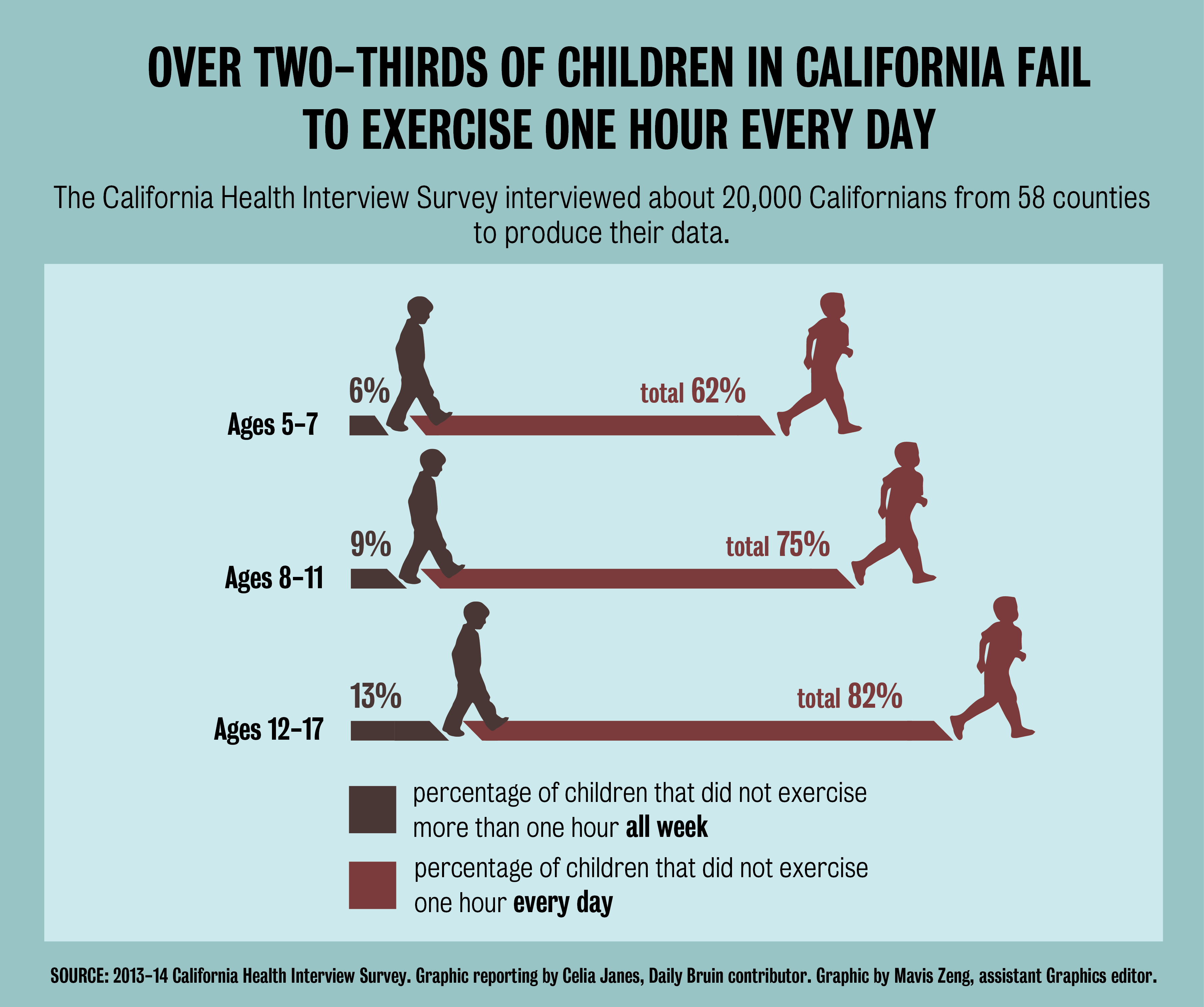
UCLA researchers found two-thirds of children and four-fifths of teenagers in California fail to exercise for the recommended amount of one hour per day. The study examined what environmental factors might discourage children from exercising. Read more...
Science & Health
News, Science & Health
|
October 5, 2:00 am
Students co-opt local surfers into study about antibiotic-resistant bacteria
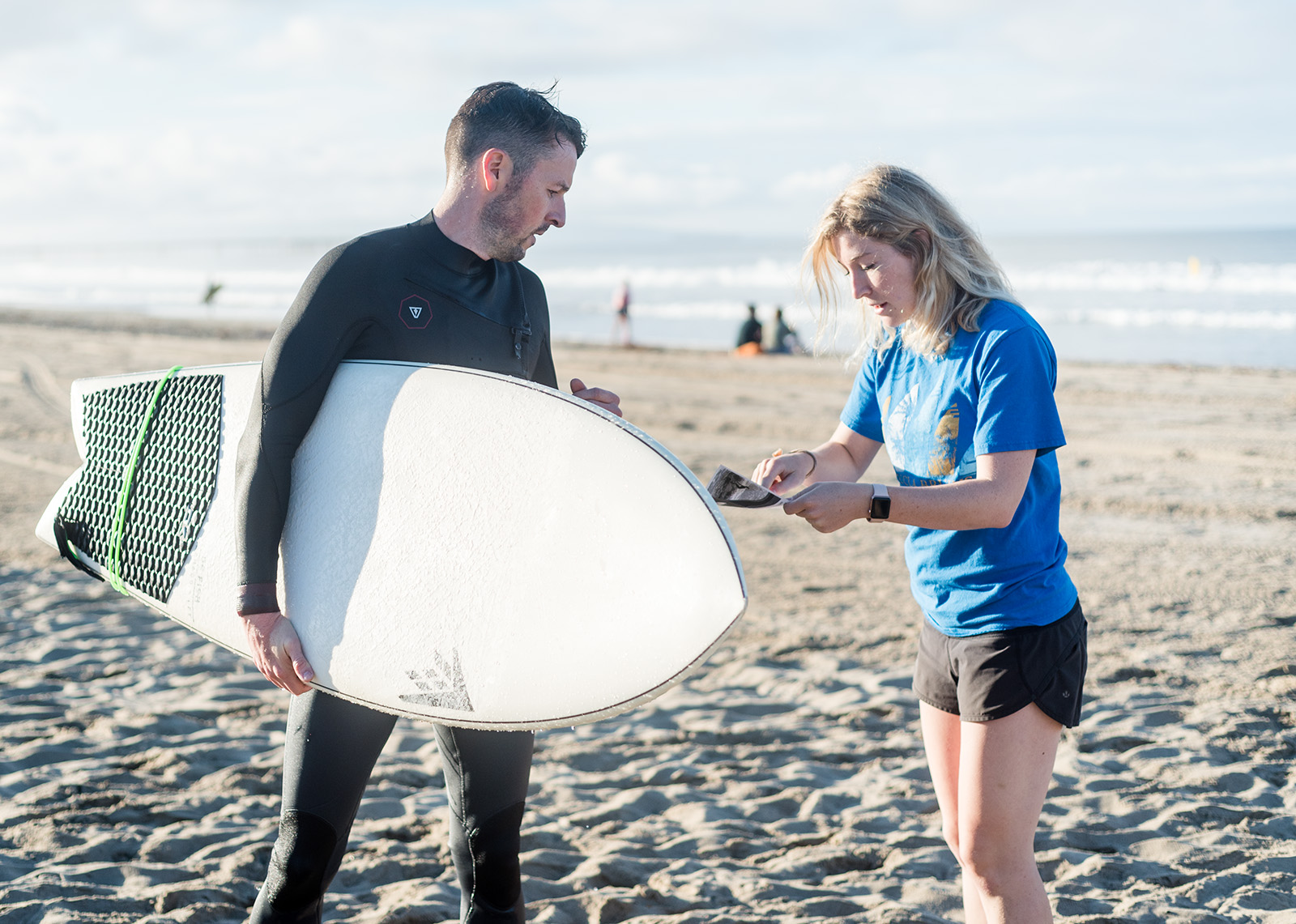
Megyn Rugh said she understands why surfers at the beach don’t want her to swab their noses for germs. “It’s a lot of people trying to surf really quickly before work. Read more...
Photo: Megyn Rugh explains the study to a passing surfer.(Stephen Liu/Daily Bruin senior staff)
News, Science & Health
|
October 5, 1:57 am
School of Medicine receives $3M for spinal cord research in Centennial Campaign
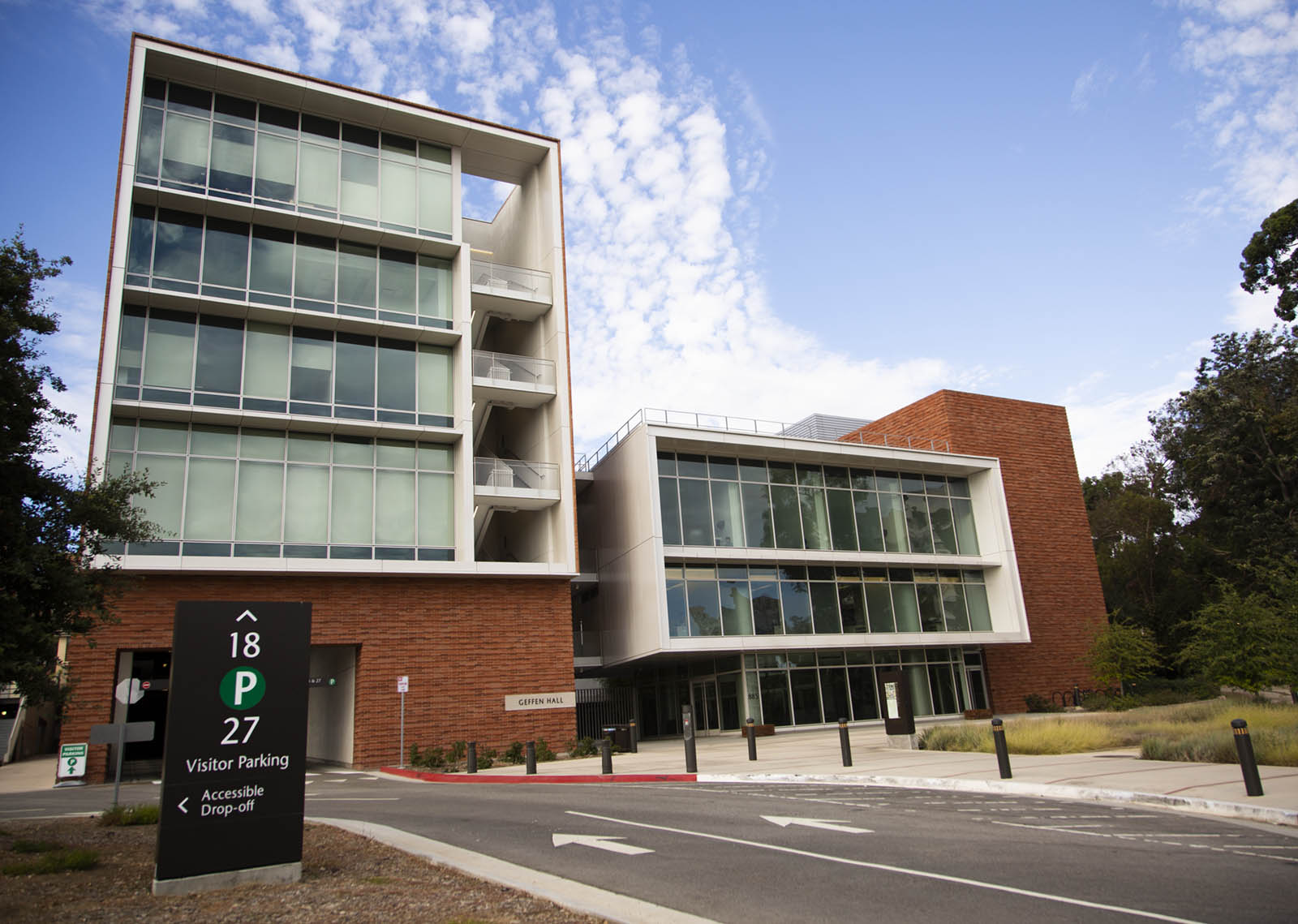
The UCLA David Geffen School of Medicine received $3 million to further spinal cord research. The Louis and Harold Price Foundation made the gift to fund the research of Daniel Lu, an associate professor of neurosurgery. Read more...
Photo: The UCLA David Geffen School of Medicine received $3 million to further spinal cord research. The money will go towards expanding the participant pool for research studies. (Amy Dixon/Photo editor)

A Closer Look, Campus, News, Science & Health, UC
|
October 5, 1:49 am
Gov. Brown vetoes bill imposing quotas for mental health staff at universities
Gov. Jerry Brown vetoed a bill Sept. 23 which would have mandated a minimum ratio of mental health counselors to students across all California state universities. Read more...
Photo: Although the senate bill received bipartisan support, Gov. Jerry Brown vetoed SB968. (Daily Bruin file photo)

News, Science & Health
|
October 3, 1:32 am
Anthropology professor helps create website to track baby monkey in Costa Rica
A new website allows students to virtually follow a monkey through a jungle more than 3,000 miles from UCLA in an effort to engage the public with science through technology. Read more...
Photo: (Thomas Tran/Daily Bruin)

News, Science & Health
|
October 2, 12:41 am
UCLA researchers find multiple antibiotics together have greater effect on bacteria
UCLA researchers found combining antibiotics may help combat dangerous antibiotic-resistant bacteria. In a study published last month, researchers found that combinations of three, four and five antibiotics were effective in stopping the growth of E. Read more...
Photo: (Rachel Bai/Daily Bruin)
News, Science & Health
|
October 1, 12:41 am
School of Medicine receives $10M grant to develop women’s health treatment
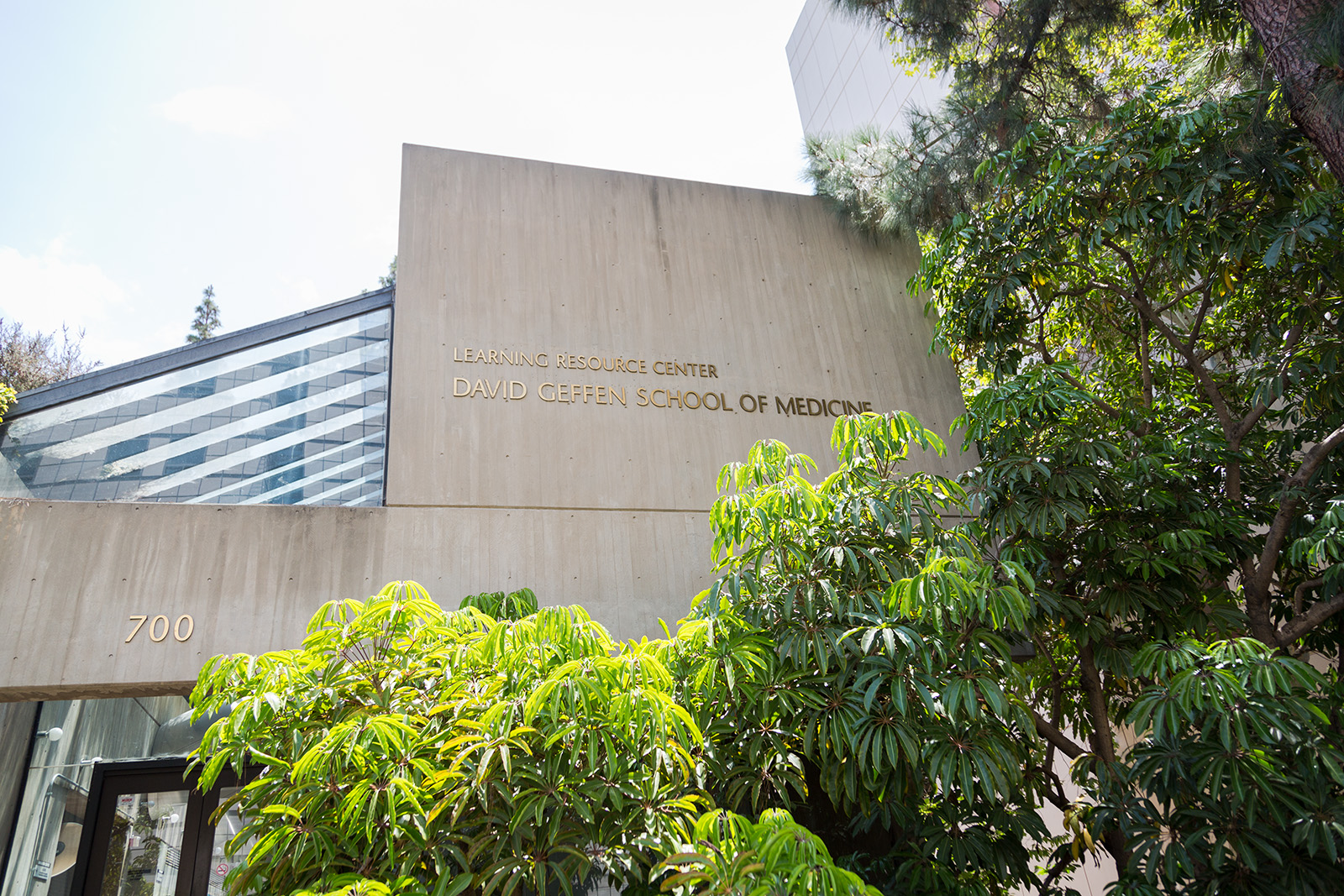
The David Geffen School of Medicine received $10 million Thursday to expand treatment and education in women’s health care. Iris Cantor, a philanthropist based in New York City and Los Angeles, donated $8 million to improve the medical school’s women’s health curriculum. Read more...
Photo: The David Geffen School of Medicine received $10 million to improve the school’s women’s health curriculum and fund a new chair position. (Amy Dixon/Photo editor)