Tuesday, February 10

Science Policy Group at UCLA offers avenue for research-based advocacy

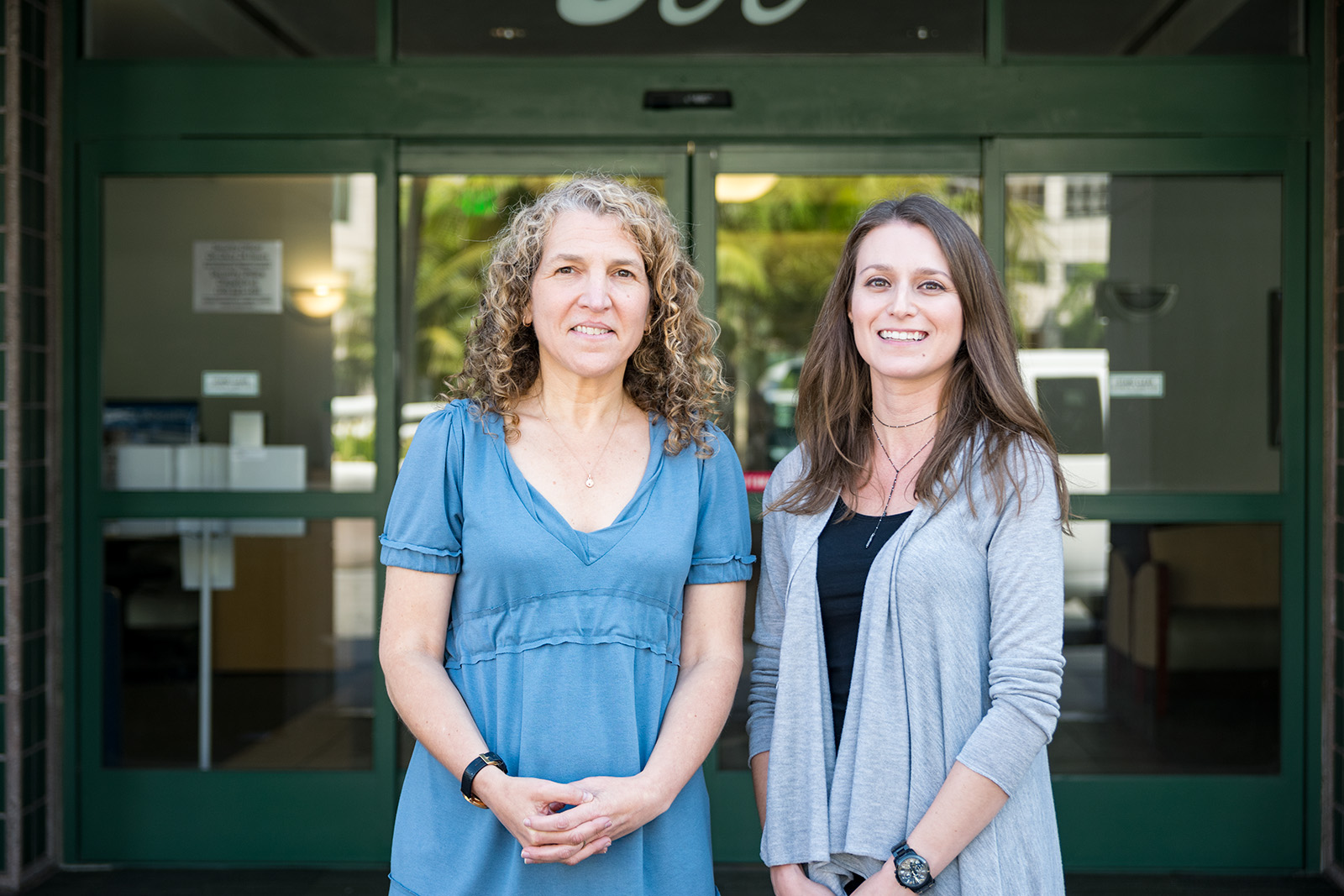
Current and former UCLA doctoral students founded a group to advocate for more scientific input in public policy. The Science Policy Group at UCLA, created in May, held a kickoff event last month that saw around 25 attendees, said Jennifer Tribble, co-founder of the group and a doctoral student in neuroscience. Read more...

Photo: The Science Policy Group at UCLA held a kickoff event in June which saw around 25 attendees. (Daily Bruin file photo)


Professor and his wife donate $1 million for UCLA professorship fund

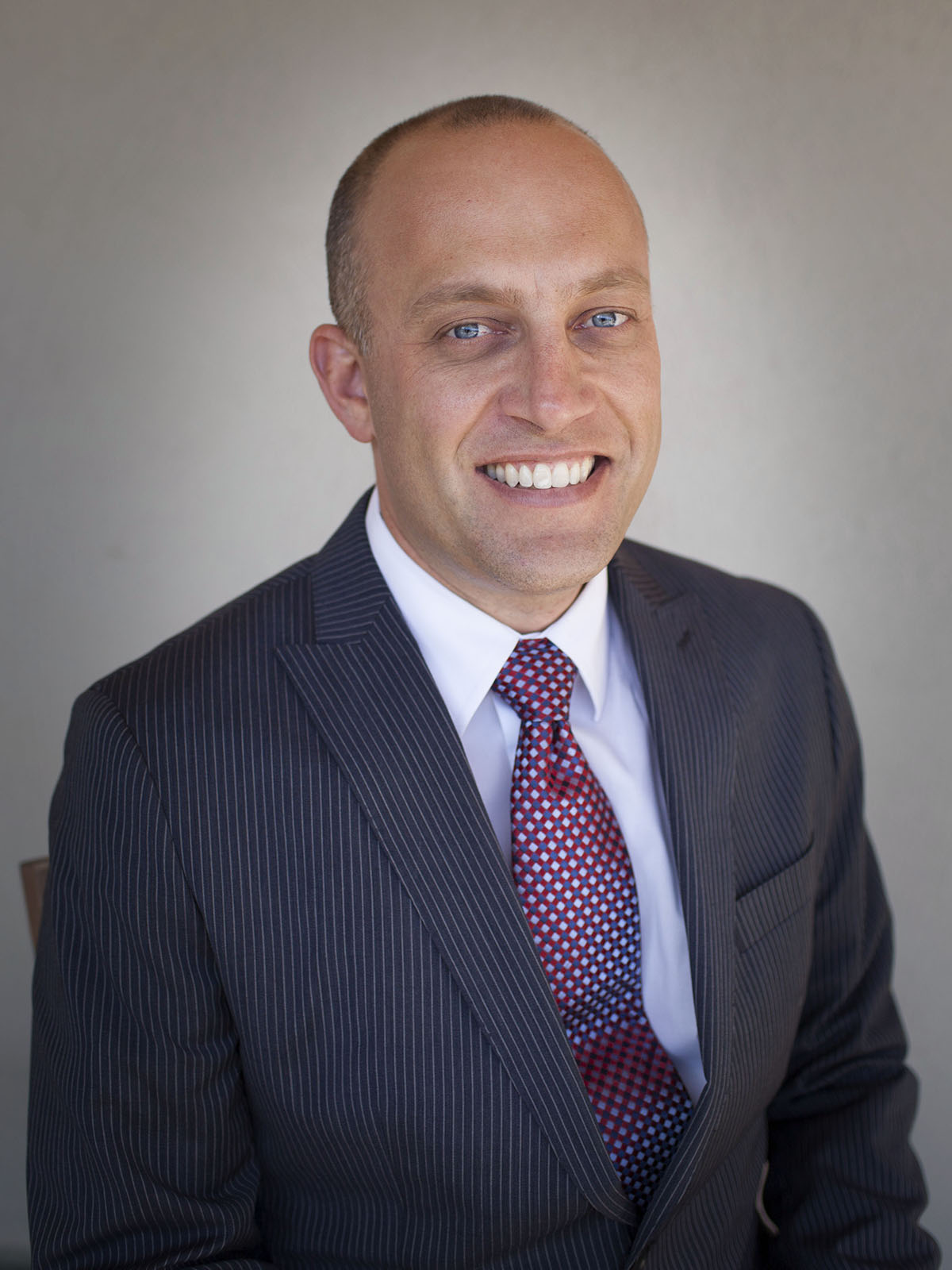
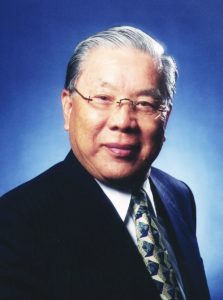
UCLA received a $1 million donation to endow a professorship in medical and drug research. Michael Jung, a distinguished chemistry and biochemistry professor, and his wife Alice Jung made the donation to establish the Michael and Alice Jung Endowed Chair in Medicinal Chemistry and Drug Discovery, according to a UCLA press release on June 14. Read more...

Photo: Michael Jung, a distinguished chemistry and biochemistry professor, and his wife Alice Jung donated $1 million to establish the Michael and Alice Jung Endowed Chair in Medicinal Chemistry and Drug Discovery. (Courtesy of Penny Jennings)


Elegant Mind Club members win Dean’s Prizes for research presentation

Members of one of UCLA’s largest science research clubs received two Dean’s Prizes this year. Elegant Mind Club, a research group that studies the neural networks of roundworms to better understand the human nervous system, had two of its members, Suying Jin, a fourth-year physics student, and Myki Lee, a fourth-year neuroscience student, received the Dean’s Prize for excellence in presenting faculty-mentored research May 26. Read more...

Photo: (Esmeralda Lopez/Daily Bruin) Katsushi Arisaka created Elegant Mind Club to study the neurons of a type of roundworm.


Professor works to clear up effects of dust on climate change

Dust in the air can alter climate change in unpredictable ways, according to UCLA researchers. Jasper Kok, an assistant professor of atmospheric and oceanic sciences, published a paper in April detailing how aerosols such as desert dust can cause temperature and precipitation levels to fluctuate, accelerating climate change. Read more...

Photo: Jasper Kok, an assistant professor of atmospheric and oceanic sciences, is helping elucidate the role dust plays in climate change. He said dust can have either a net cooling or net heating effect on the atmosphere depending on the size of the particles. (Owen Emerson/Daily Bruin senior staff)


1 172 173 174 175 176 339