Saturday, February 7

UCLA researchers examine effect of COVID-19 vaccine among health care workers

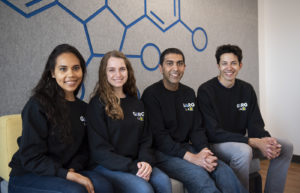
UCLA researchers are leading a Centers for Disease Control and Prevention-funded study to investigate the effectiveness of COVID-19 vaccinations among health care workers. The CDC allocated more than $11 million to four programs conducting studies evaluating the effectiveness of COVID-19 vaccines, including Preventing Emerging Infections Through Vaccine Effectiveness Testing, a study led by researchers from the David Geffen School of Medicine. Read more...

Photo: UCLA researchers are leading a Centers for Disease Control and Prevention-funded study to evaluate the effectiveness of the COVID-19 vaccines in health care. (Noah Danesh/Daily Bruin)


UCLA researchers develop artificial intelligence to analyze cells without killing them

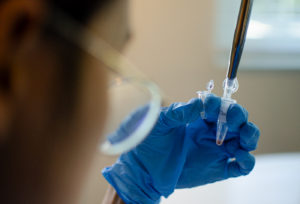
UCLA researchers developed an artificial intelligence model that allows them to analyze the appearance of a cell and determine its protein content without killing the cell. Read more...

Photo: UCLA researchers developed a model using artificial intelligence to analyze a cell and identify its protein content without harming the cell itself (Justin Jung/Daily Bruin senior staff).


UC researchers publish study on how to safely protest amid pandemic

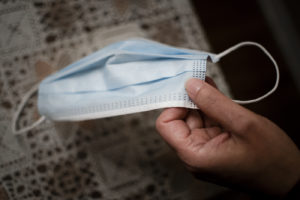
Wearing masks properly can reduce the risk of contracting COVID-19 while protesting during the ongoing pandemic, UCLA’s activist-in-residence and researchers said. According to a study published in February led by University of California researchers, a harm reduction approach is a safe way to participate in civil discourse during the COVID-19 pandemic. Read more...

Photo: Protesters, public health departments and law enforcement agencies can take several measures to protect themselves from COVID-19, University of California research found. (Chelsea Westman/Daily Bruin)


Student workers share thoughts on COVID-19 vaccine eligibility, logistics

This post was updated April 11 at 10:00 p.m. Some student workers said they felt relieved to be some of the first students eligible to receive a COVID-19 vaccine but thought UCLA could have had better communication. Read more...

Photo: Metztli Mercado-Garcia, a third-year psychology student and student worker at UCLA, received her COVID-19 vaccine because of her student worker status but said the vaccine site was far away and hard to navigate. (Sakshi Joglekar/Daily Bruin staff)


UCLA study finds homelessness increases mortality rate of COVID-19

This post was updated April 5 at 6:39 p.m. People experiencing homelessness are at an increased risk of dying because of COVID-19, UCLA researchers found. In the United States, people experiencing homelessness are 30% more likely to die from COVID-19 than the general population regardless of age, according to a March UCLA-led preliminary report. Read more...

Photo: UCLA researchers found that people experiencing homelessness were significantly more likely to die of COVID-19-related causes in the United States. (Noah Danesh/Daily Bruin)


UCLA study finds body fat in women appears unrelated to heart disease

Researchers at UCLA found that women with higher percentages of body fat are less susceptible to adverse outcomes from heart disease. Researchers previously believed that only men and women with low body fat and high muscle mass are less vulnerable to death from heart disease, despite overall body muscle mass. Read more...

Photo: UCLA researchers found high body fat percentages are linked to protection from heart diseases in women. (Finn Chitwood/Daily Bruin)


UCLA researchers develop identification process for marine organisms using eDNA

Novel ecological survey methods developed by UCLA researchers are making ecology more accessible to students. A research team at UCLA developed a process that helps identify organisms living in marine environments and released its findings in February. Read more...

Photo: UCLA researchers developed a process to more efficiently identify organisms living in marine environments and released their findings in February and are now bringing this research to students (Kanishka Mehra/Photo editor).


1 87 88 89 90 91 338