Saturday, February 7

UCLA researchers’ more efficient, less expensive COVID-19 test authorized by FDA

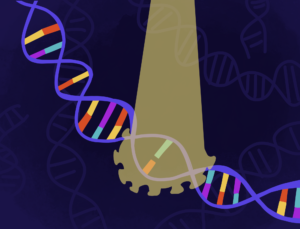
UCLA received an emergency authorization from the Food and Drug Administration last week to conduct a fast and cheap COVID-19 test. The new test, called SwabSeq, can return results in 12 to 24 hours, said Sri Kosuri, an associate chemistry and biochemistry professor who helped develop the technology. Read more...

Photo: SwabSeq is a new COVID-19 test developed by UCLA researchers. The test is cheaper, produces results faster and removes many logistical challenges for mass testing. (Courtesy of Octant)


UCLA, UCSF medical faculty say wildfires may exacerbate health effects of COVID-19

California’s wildfire smoke and COVID-19 could create an unforeseen mixture of adverse health effects for the state’s residents, UCLA medical faculty said. Although little is known about long-term exposure to air pollutants like wildfire smoke and its particulates, there are preliminary studies that show the number and severity of COVID-19 cases are higher in areas with high air pollution, said Stephanie Christenson, a doctor and an assistant professor of pulmonology at UC San Francisco. Read more...

Photo: Increasing air pollution because of the recent wildfires poses a threat to lung health and may increase the chances of contracting COVID-19. (Photo by Kanishka Mehra/Photo editor. Photo illustration by Emily Dembinski/Illustrations director)


Nobel Prize-winning professor pushes to prove every challenge is an opportunity

Andrea Ghez thought she was dreaming. It was 2 a.m. and she had just received a phone call from the Nobel Committee – congratulating her for winning the Nobel Prize in physics. Read more...

Photo: Andrea Ghez, a physics and astronomy professor, won the 2020 Nobel Prize for physics. She won the prize for her contributions toward the discovery of the black hole in the center of the Milky Way. (Courtesy of Elena Zhukova/UCLA Newsroom)


UCLA researchers find respirators can be cleaned and reused in case of shortage

Some respirators can be effectively decontaminated of the coronavirus and reused, which could help doctors when protective equipment supplies run low, UCLA researchers found. When using vaporized hydrogen peroxide for 10 minutes, the researchers found no traces of SARS-CoV-2 on N95 respirators, said Amandine Gamble, a postdoctoral researcher at UCLA and a co-author of a study published in September in the Emerging Infectious Diseases Journal. Read more...

Photo: A UCLA study looked at different ways of decontaminating an N95 respirator. They found that using vaporized hydrogen peroxide was more effective than using dry heat, ultraviolet light or ethanol spray in decontaminating the respiratory. However, the respirator can only be decontaminated thrice before it loses its effectiveness in filtering out the COVID-19 virus. (Lauren Man/Assistant Photo editor)


UCLA professor shares 2020 Nobel Prize in physics for black hole breakthroughs

This post was updated Oct. 11 at 9:51 p.m. A UCLA professor won the 2020 Nobel Prize in physics after she helped discover a supermassive black hole at the center of the Milky Way, announced the Nobel Prize Organisation on Tuesday. Read more...

Photo: Andrea Ghez, a physics and astronomy professor, won the 2020 Nobel prize in physics for her contributions to the discovery of the supermassive black hole at the center of our galaxy. She is the fourth woman to win a physics Nobel Prize and the eighth UCLA professor to win a Nobel Prize. (Courtesy of Christopher Dibble/UCLA Newsroom)


UCLA-led study suggests COVID-19 may have been in LA earlier than previously thought

COVID-19 may have been in the Los Angeles area before the first identified cases in the United States, according to a UCLA-led study. The researchers analyzed electronic health records from more than 2.5 million annual patient visits across three hospitals and 180 clinics in the LA area between July 2014 and February, according to the study published in the Journal of Medical Internet Research. Read more...

Photo: A UCLA study found a significant rise in patients with respiratory complaints and illnesses during December and January, raising the question of whether COVID-19 was already in Los Angeles before its detection. The study utilized methods that could possibly detect new and changing illnesses to prevent future outbreaks. (Photo by Kanishka Mehra/Photo editor, Photo illustration by Shruti Iyer/Daily Bruin senior staff)


1 97 98 99 100 101 338